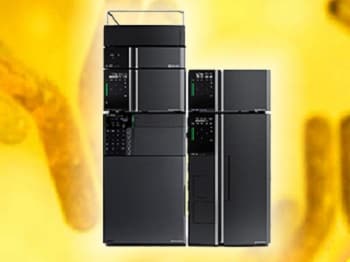
Nexera lite inert


- The analysis using Nexera lite inert system can be conducted in a measurement time of approximately 15 min. - Disinfection byproducts (chlorites, bromates, bromides, chlorates) with low concentrations can be analyzed reproducibly using an electrical conductivity detector. - Bromate ion can be detected with a post column reaction after separation of column using a UV detector, enabling for selective detection and quantification.
Disinfection is typically employed for water purification and the protection of public health. However, certain by-products generated from chemical disinfection processes can be harmful.For example, it is known that the chlorine dioxide disinfection process generates chlorite and chlorate, which are inorganic oxyhalide disinfection by-products (DBPs), and hypochlorite treatment may also produce chlorate, another DBP. It is necessary to appropriately manage these harmful DBPs. Most countries establish limits and regulations for disinfection by-products (DBPs) in drinking water and environmental water. In the United States, DBPs are regulated by the Environmental Protection Agency (EPA) under Method 326.0 for drinking water. This application news introduces an example of DBPs analysis in drinking water in accordance with EPA Method 326.0, utilizing the Shimadzu Nexera lite inert system. The four types of DBPs were separated using a Shim-pack IC-SA3 and analyzed with an electrical conductivity detector (CDD). Furthermore, bromate was detected through a post-column reaction followed by UV detection, achieving high-sensitivity analysis.
November 25, 2025 GMT