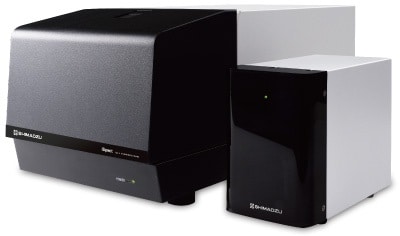
iSpect DIA-10


- It is easy to evaluate the size and quantity of microscopic foreign particles, which are key quality criteria of recycled plastics. - With the microcell method of DIA, microscopic foreign matter can be detected and counted quickly using a small sample quantity. - Infrared microscope and SEM-EDS systems provide information about the morphology and composition of microscopic foreign matter that is useful for improving recycling processes.
One of the quality criteria for recycled plastic flakes and pellets is the content of foreign matter. Quantitatively evaluating the size and quantity of foreign particles contained in flakes and pellets is important for examining foreign matter removal processes intended to improve pellet quality and optimize manufacturing processes for products made with recycled materials. In this article, pellets of virgin and recycled polyethylene terephthalate (hereafter PET) were dissolved in hexafluoro-2-propanol (hereafter HFIP), a solvent for dissolving PET, to prepare suspensions of insoluble microscopic foreign particles. These suspensions were measured with a dynamic particle image analysis (DIA) system (iSpect DIA-10) to evaluate the size and number of insoluble microscopic foreign particles (patent pending). In addition, part of the suspensions were diluted tenfold and filtered through a membrane filter to collect the insoluble microscopic foreign particles on the filter. The morphology and composition of the collected microscopic foreign particles were evaluated using a digital microscope, an infrared microscope system (IRTracer-100 and AIM-9000), and an SEM-EDS system. These evaluations enabled comparison of the sizes, quantities, and types of foreign particles contained in virgin and recycled materials.
December 16, 2025 GMT
This application relates to an invention for which a patent application is pending.