i-Series


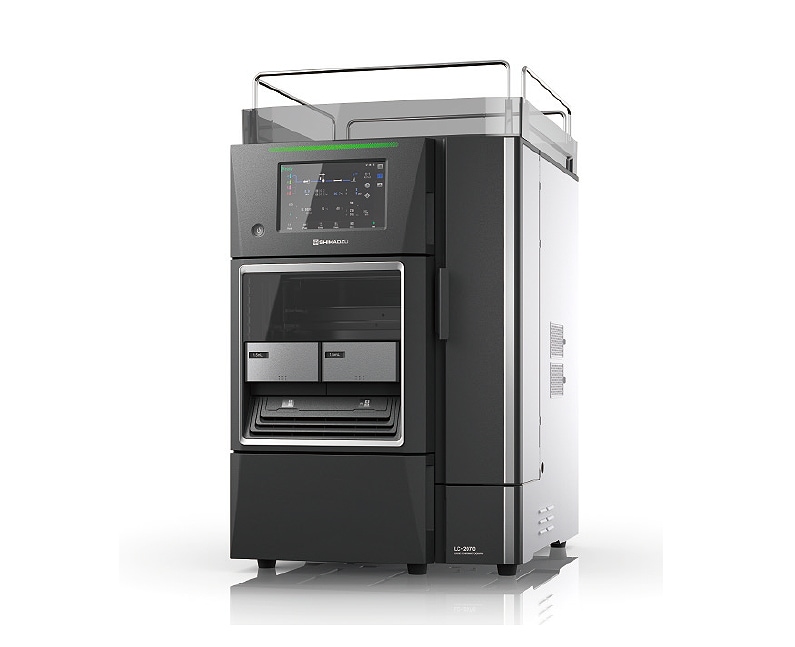
- The automated dietary fiber analyzer reduces labor and shortens processing time through automated dietary fiber analysis. - Both insoluble dietary fiber (IDF) and soluble dietary fiber (SDF) can be measured in accordance with AOAC 2022.01. - Low-molecular-weight soluble dietary fiber (SDFS), which typically shows low recovery rates with the enzymatic-gravimetric method, can be analyzed using HPLC.
Dietary fiber is an indigestible carbohydrate present in foods such as grains, legumes, fruits, and vegetables. A high intake of dietary fiber has been associated with a reduced risk of mortality from heart disease, stroke, type 2 diabetes, and certain cancers including breast, colorectal, and pancreatic cancer. Adequate dietary fiber intake also helps support healthy weight management and improves the intestinal environment. Dietary fiber can be classified into two types: IDF and SDF. IDF, such as cellulose, hemicellulose, and lignin, is abundant in grains and contributes to water absorption and intestinal function. SDF, including glucomannan, gum arabic, pectin, fucoidan, and β-glucan, is found in foods such as fruits, vegetables, konjac, seaweed, and mushrooms, and is known for its cholesterol-lowering effects. Traditionally, the enzymatic-gravimetric method (Prosky method) has been widely used for dietary fiber measurement. However, this method often shows low recovery rates for SDFS such as resistant dextrin and polydextrose. AOAC 2022.01 analyzes the filtrate from the enzymatic-gravimetric method using HPLC, quantifying fractions of trisaccharides and larger as SDFS. This article introduces dietary fiber analysis based on the AOAC 2022.01 method, utilizing an automated dietary fiber analyzer (ANKOM Technology) with integrated HPLC.
December 23, 2025 GMT