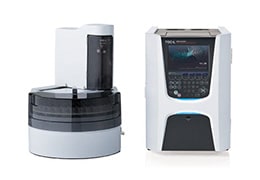
TOC-L Series


- TOC analysis enables effective control of organic impurities in lithium carbonate. - Using the combustion tube kit for high-salt samples can extend the lifespan of the combustion tube and catalyst, reducing maintenance frequency. - With the ASI-L autosampler, multiple samples can be measured automatically, improving throughput and efficiency.
Lithium carbonate (Li2CO3) is an important material used in a wide range of applications in the lithium-ion battery industry. For example, it is used as a lithium source for cathode active material synthesis and electrolyte salt production, as a raw material for oxide-based solid electrolytes, and as a form of lithium commonly recovered in recycling processes. Because impurities in lithium carbonate can affect downstream processes and final products, appropriate control is essential. In particular, organic impurities require especially careful attention because they may originate from so many sources, such as solvents and processing aids used during purification, residual organics from manufacturing steps, or contamination introduced during handling and storage. Total organic carbon (TOC) analysis offers an effective way to manage such organic impurities in raw materials. This article presents an example of using a Shimadzu TOC-L total organic carbon analyzer to evaluate the TOC content of lithium carbonate.
March 10, 2026 GMT