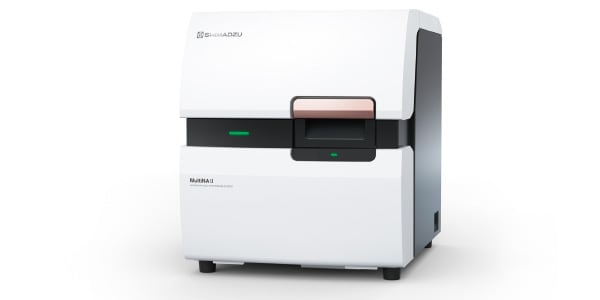
MultiNA II MCE-301, Microchip Electrophoresis System for DNA/RNA Analysis


- Allergen testing in food is available efficiently. - The DNA fingerprinting analysis function automatically determines the presence or absence of bands compared to the reference. - MultiNA II can fully automate electrophoresis gel preparation, sample injection, electrophoresis, and detection.
In 1963, the Food and Agriculture Organization and the World Health Organization established the Codex Alimentarius Commission (CAC) to protect the health of consumers and ensure fair practices in international food trade. The CAC develops international food standards and guidelines, including food labeling, and many countries use these standards as a reference for their own food labeling systems. The CAC standard for the labeling of pre-packaged food (CODEX STAN 1-1985) includes requirements for allergen labeling. Since food allergies cause a wide range from mild, localized symptoms to serious, systemic symptoms, many countries have developed labeling systems and testing methods for allergens. Based on fact-finding studies and symptom severity, Japan has designated the following eight food allergens as priority ingredients: egg, milk, wheat, buckwheat, peanut, walnut, shrimp, and crab. This article describes an analysis of food allergens that was performed based on the Japan Consumer Affairs Agency (CAA) notification: “Inspection methods for foods containing allergenic substances.” The analysis results of PCR products for wheat, buckwheat, peanuts, shrimp, crab, and walnuts are presented.
March 17, 2026 GMT
Some products may be updated to newer models