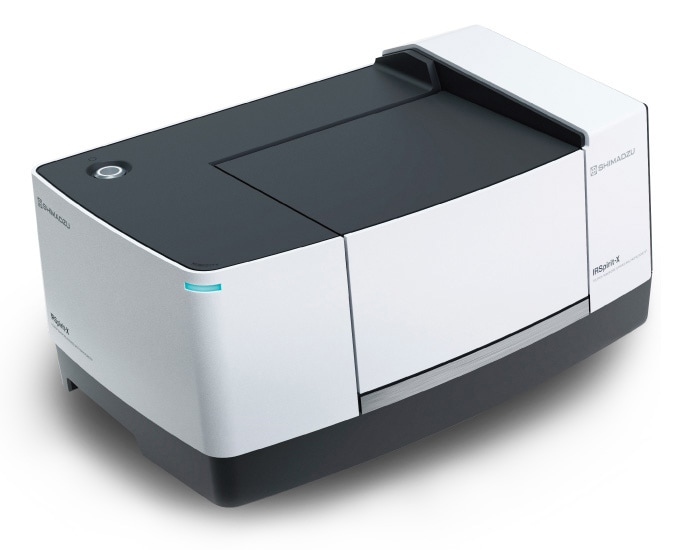
IRSpirit-X Series


- Using the ATR method with FTIR spectroscopy enables simple and rapid qualitative analysis of polymers. - DSC analysis may be able to reveal differences in polymer thermal histories that cannot be confirmed by FTIR alone. - TG-DTA can be used to confirm the content level of inorganic additives in polymers.
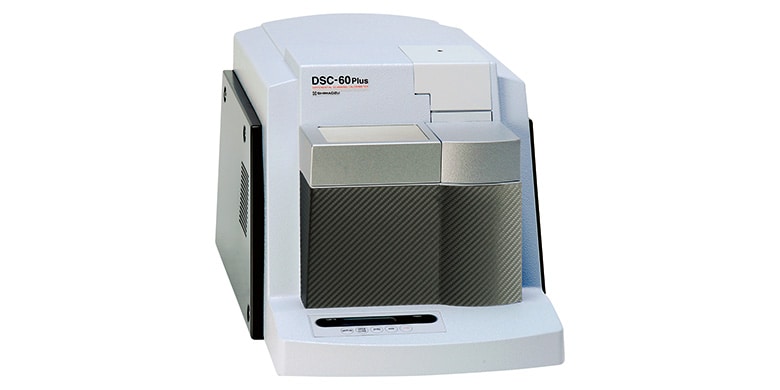
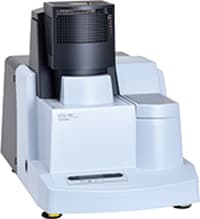
A wide range of polymer resins is used in modern society for diverse applications, resulting in increasing demand for qualitative analysis of resin microsamples, such as identifying resin contaminants in products or qualitatively evaluating microplastics for environmental impact assessments. FTIR spectrophotometers are commonly used for qualitative analysis of polymers. In particular, the ATR (attenuated total reflectance) method is widely used because measurements can be performed simply and quickly by clamping a sample against a prism to ensure close contact. While the ATR method makes it relatively easy to discriminate between different types of polymers, clear differences may not appear when analyzing similar polymers—for example, when there are only slight differences in the type or content of additives or the thermal histories during manufacturing. In such cases, differences may be confirmed by using thermal analysis instruments, such as a DSC or TG-DTA system. This article describes an example in which three instruments—an IRSpirit-TX FTIR spectrophotometer, a DSC-60 Plus differential scanning calorimeter, and a DTG-60 simultaneous DTA-TG unit—were used to confirm differences among six microsamples of polypropylene (PP) resin.
March 17, 2026 GMT
Some products may be updated to newer models