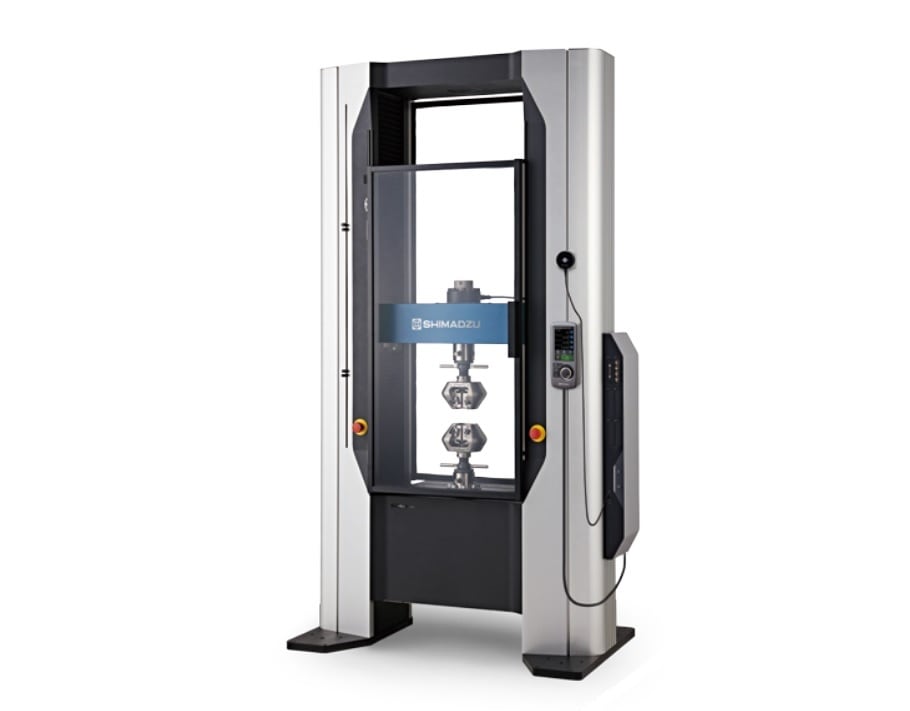
AUTOGRAPH AGX™-V2 Series


- The hardness of foam rubber can be quantitatively evaluated using a test method A compliant with ISO 2439. - Using the inter-jig distance function and GL correction, the height of foam rubber specimen can be automatically obtained. - By using a foam rubber compressive test jig with air-vent holes, the effect of air inside the foam rubber can be reduced.
Soft foam materials (foam rubber), which are widely used in furniture and automotive cushions, provide comfortable seating and sleeping conditions and greatly improve quality of life. In automotive applications, they also contribute to reducing fatigue during long periods of driving and to ensuring safety in seats and interior components. Thus, foam rubber is an important material closely related to daily life, and its performance directly affects user comfort and safety. In particular, hardness is a key physical property that influences both the comfort and durability of foam rubber, making its evaluation essential in product design and quality control. ISO 2439 defines five methods for measuring foam rubber hardness (Methods A, B, C, D, and E). In this Application News, a test method based on Method A of ISO 2439 is introduced using a precision universal testing machine, AGX -V2, together with a foam rubber compression test jig. The hardness of three types of foam rubber test specimens was measured, and the corresponding measurement results are described.
March 24, 2026 GMT