i-Series


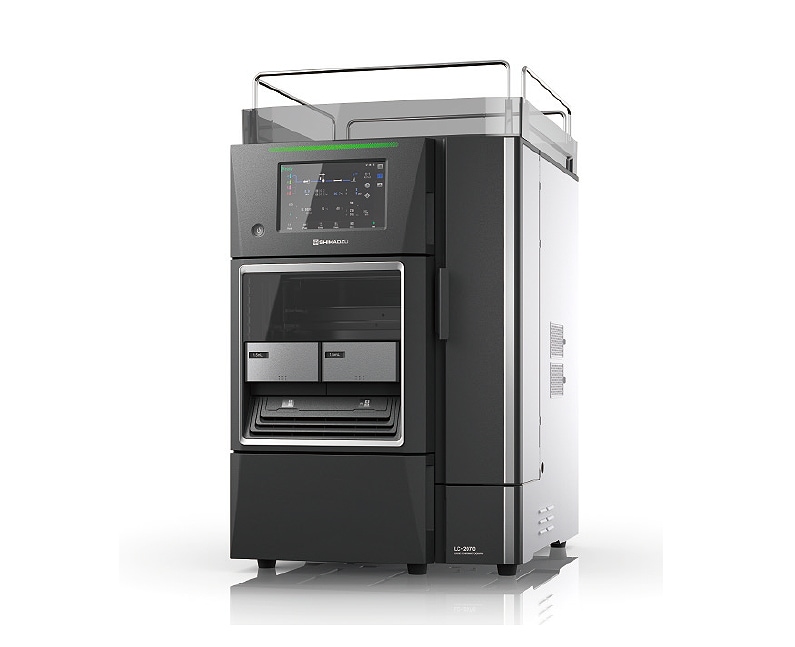
- Preservatives, acidulants, and other compounds with differing polarities can be quickly analyzed using a general-purpose HPLC system, even without using a dedicated instrument. - The photodiode array (PDA) detector built into the integrated HPLC system enables acquisition of chromatograms at any desired wavelength from a single analysis.
Foods can contain various ingredients, including preservatives that inhibit microbial growth. In January 2026, the U.S. federal government recommended limiting intake of ultra-processed foods (UPF), identifying 11 target compounds including propylparaben. Around the same time in Japan, there was a reported recall of confections containing methylparaben, which is not approved domestically. Given the circumstances, more rapid and effective quality-control systems are required to ensure product safety. Organic acids, including those employed as acidulants, are typically analyzed using dedicated systems based on ion-exclusion chromatography. However, the application of reversed-phase chromatography enables the simultaneous determination of preservatives and other additives within a single analytical run. This approach enhances analytical throughput and improves workflow efficiency for compounds with diverse physicochemical properties. In this study, an integrated HPLC system is utilized for the rapid and simultaneous analysis of food additives, including preservatives, acidulants, and a bittering agent.
June 9, 2026 GMT
Some products may be updated to newer models