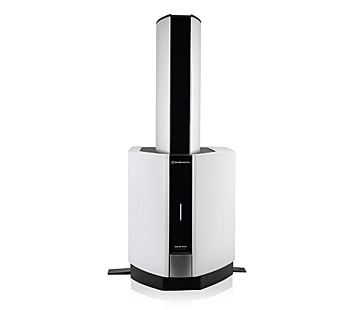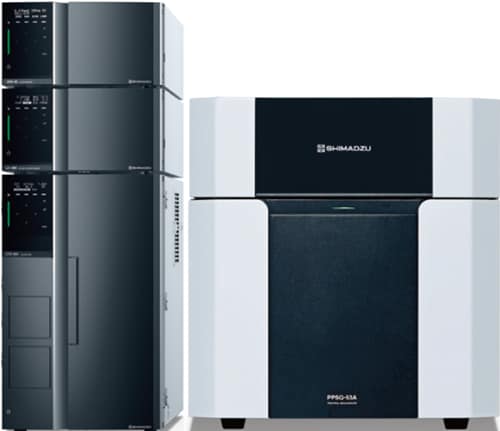
PPSQ-51A/53A


- Possible to easily determine the amino acid sequences of proteins not listed in genome databases - Effective for obtaining amino acid sequence information for peptides containing non-natural amino acids, as well as amino acid sequence information that includes the C-terminus - Possible to obtain structural information on modified amino acids when combined with MALDI-TOF MS
Middle-molecule drugs are attracting attention as a new therapeutic modality that combines characteristics of both small-molecule drugs and antibody drugs. Peptide drugs, one such category, offer high target specificity and are expected to reduce the risk of side effects. In particular, the market for these drugs is expanding in the fields of diabetes and obesity. Semaglutide, a representative peptide drug, is a middle-molecule drug that improves the stability and prolonged duration of action of human GLP-1. While peptide drugs are primarily manufactured using solid-phase peptide synthesis (SPPS), manufacturing methods utilizing cell expression systems are also being explored for certain targets. When evaluating the quality of manufactured products, verification of the amino acid sequence is crucial from the perspectives of safety and efficacy. One such method for amino acid sequence analysis is the Edman degradation method, which allows for the confirmation of the amino acid sequence by sequentially cleaving and identifying amino acids starting from the N-terminus. In this report, we present an example of amino acid sequence analysis of semaglutide using the Edman degradation method and MALDI-MS analysis.
July 13, 2026 GMT