
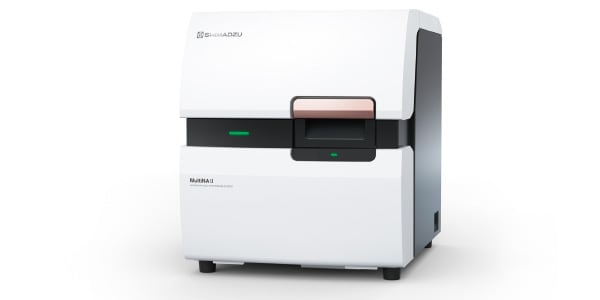
MultiNA II MCE-301, Microchip Electrophoresis System for DNA/RNA Analysis


- Streamlines the electrophoresis workflow from gel preparation through data analysis, reducing hands-on work. - Fingerprinting Analysis minimizes manual interpretation and supports standardized result calls. - Automated dilution makes it easy to bring high-concentration samples into the optimal range while helping reduce stress on the system.
Campylobacter is one of the leading causes of foodborne illness associated with poultry and related foods and is therefore an important target in food safety and public health. In particular, accurate differentiation of Campylobacter jejuni and C. coli, which account for most cases, is important, not only for species identification itself but also for contamination source tracking and epidemiological investigations. PCR-based genotyping is widely used as a rapid and reliable approach, and multiplex PCR, which amplifies multiple target genes in a single reaction, is especially efficient. However, when processing large numbers of samples, manual gel preparation and visual interpretation can become cumbersome. In this application, a microchip electrophoresis system, MultiNA II MCE-301, was used to automatically analyze multiplex PCR amplicons from Campylobacter. We also leveraged the system’s Fingerprinting Analysis function. By combining automated analysis with objective fragment comparison, this approach streamlines the workflow and enables simple, highly accurate species identification.
July 15, 2026 GMT
Some products may be updated to newer models