TOC-L Series


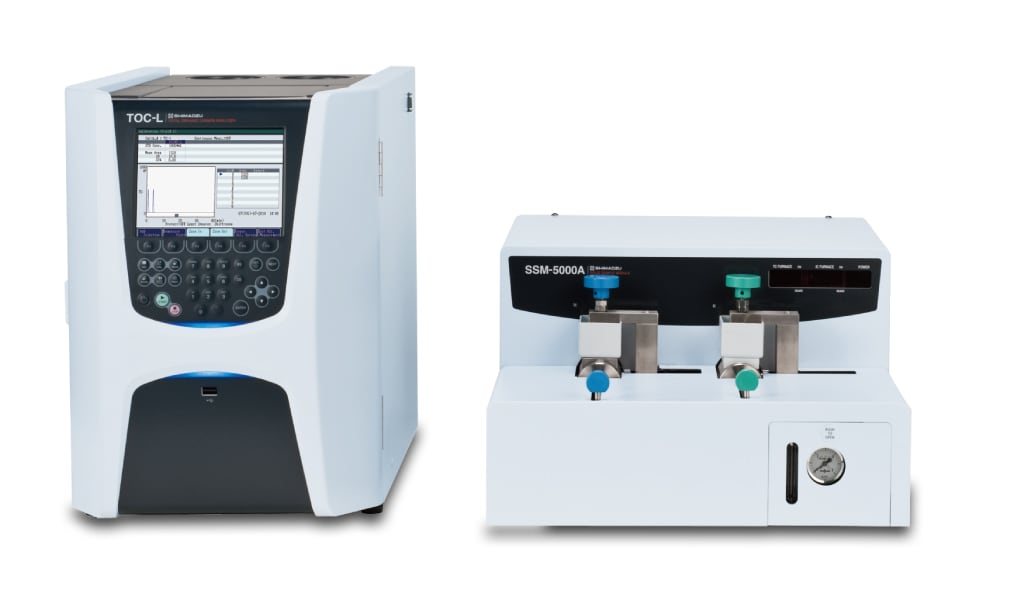
- The TOC solid sample measurement system enables quantitative evaluation of carbon coatings on cathode active material surfaces. - The AIRsight infrared/Raman microscope enables evaluation of the carbon layer structure. - Carbon content and structure can be evaluated using a small amount of sample.
The cathode active materials used in lithium-ion batteries (LiBs) for electric vehicles (EVs) are broadly classified into two categories depending on their application: nickel-based materials (NCM/NCA/NCMA) and phosphate-based materials (LFP: LiFePO4, LMFP: LiFexMn1-xPO4). Nickel-based materials are characterized by high energy density as well as excellent low-temperature and high-power performance, making them indispensable for long-range driving and high-performance vehicle segments. In contrast, phosphate-based materials offer superior safety, long cycle life, and cost advantages, and their use is expanding primarily in standard-range and mass-market segments. Because LFP and LMFP compounds are intrinsically low in electronic conductivity, a carbon coating on the surface of the active material is essential to compensate for that limitation and improve performance. Accordingly, quantitative control of carbon content is of great importance. For that type of carbon analysis, the TOC solid sample measurement system, which combines a TOC-L total organic carbon analyzer with an SSM-5000A solid sample combustion unit, is effective. Furthermore, the conductivity of the surface carbon layer is closely related to the degree of graphitization and defect structure of the carbon, making structural evaluation of the carbon layer equally important. The AIRsight infrared/Raman microscope enables such structural evaluation. This Application News presents examples of evaluating carbon on the surface of LMFP cathode active materials, with carbon quantitation using a TOC-L + SSM-5000A system and carbon layer structure evaluation using the AIRsight infrared/Raman microscope.
July 16, 2026 GMT