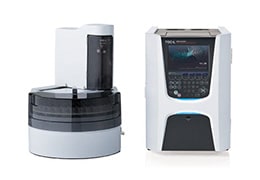
TOC-L Series


- TOC can be evaluated accurately using the TC-IC method, even for foaming surfactants. - The ASI-L autosampler enables automatic, continuous measurement of multiple samples, improving analytical efficiency.
Surfactants are important chemicals widely used in detergents and dispersants for pharmaceutical equipment cleaning processes, chemical manufacturing processes, and environmental water management. If surfactant residues remain after such processes, they can not only affect manufacturing processes and final product quality, but also increase the organic load in wastewater and environmental water. Therefore, quality control is also needed for organic matter derived from surfactants. Total organic carbon (TOC) analysis is effective for evaluating the quality of surfactants. In general, the NPOC (non-purgeable organic carbon) method is often selected for TOC measurement in terms of sample volume and analysis time requirements. On the other hand, because surfactants have both hydrophilic and hydrophobic groups in their structure, they tend to foam even at low concentrations. When such samples are measured by the NPOC method, which involves acid addition and sparging, foaming can cause the sample to overflow from the syringe vessel inside the instrument into the waste line. That can result in measurement values that are lower than the true value. This article compares TOC measurement results for surfactants obtained by the NPOC method and the TC-IC method using the Shimadzu TOC-L total organic carbon analyzer, which uses the combustion oxidation method.
July 16, 2026 GMT