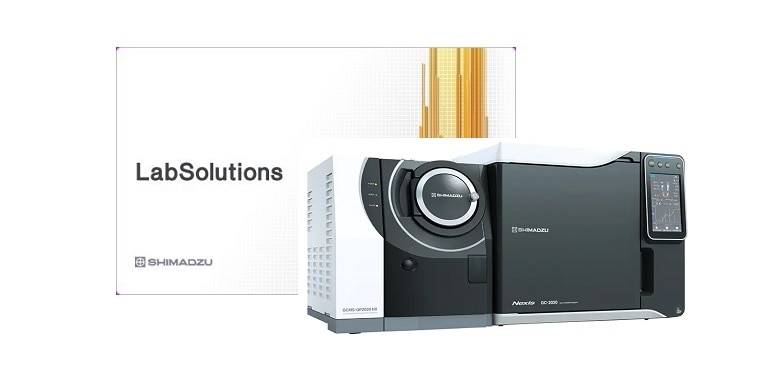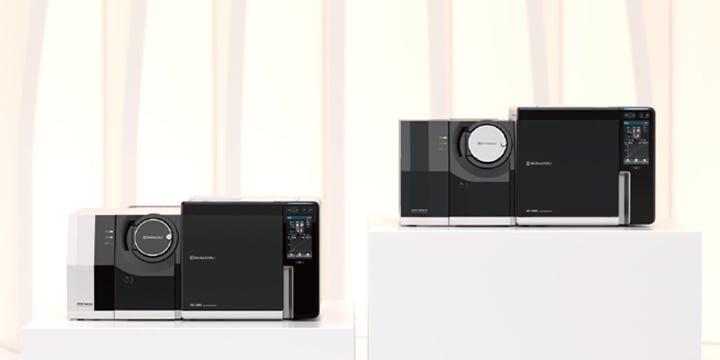
GCMS-TQ RX Series


- Using the GCMS-TQ8040 RX and the Multi-Mode Injection Unit (MMI), 12 volatile PFAS including compounds listed in EN 17681-2, can be analyzed at the ppb level without preconcentration. - The spike recovery test shows good percentage recoveries of all compounds (80–120 %) that are at or below the EU Persistent Organic Pollutants (POPs) threshold limit (25 ppb).
Per- and polyfluoroalkyl substances (PFAS) are used in textile products because of their useful properties, such as heat resistance and water repellency. However, PFAS are also extremely stable substances that resist degradation and accumulate in the environment, which has led to concerns about their effects on humans. Since eliminating sources of PFAS is essential to prevent them from accumulating in the environment and in living organisms, many countries are passing laws that restrict the production, distribution, and use of PFAS in products. For example, the EU POPs Regulation sets a permitted threshold of up to 0.025 mg/kg (25 ppb) for certain PFAS (including PFOA, PFOS, and PFHxS) in substances, mixtures, or articles. EN 17681 defines standard test methods for PFAS analysis in textiles. In a previous Application News, No. 01-01108, an example of analyzing volatile and nonvolatile PFAS in textiles using LC/MS/MS and GC/MS/MS based on this standard was introduced. This study shows an example of trace analysis of volatile PFAS in textiles using the newly developed GCMS-TQ RX series equipped with the Multi-Mode Injection Unit (MMI).
July 29, 2026 GMT