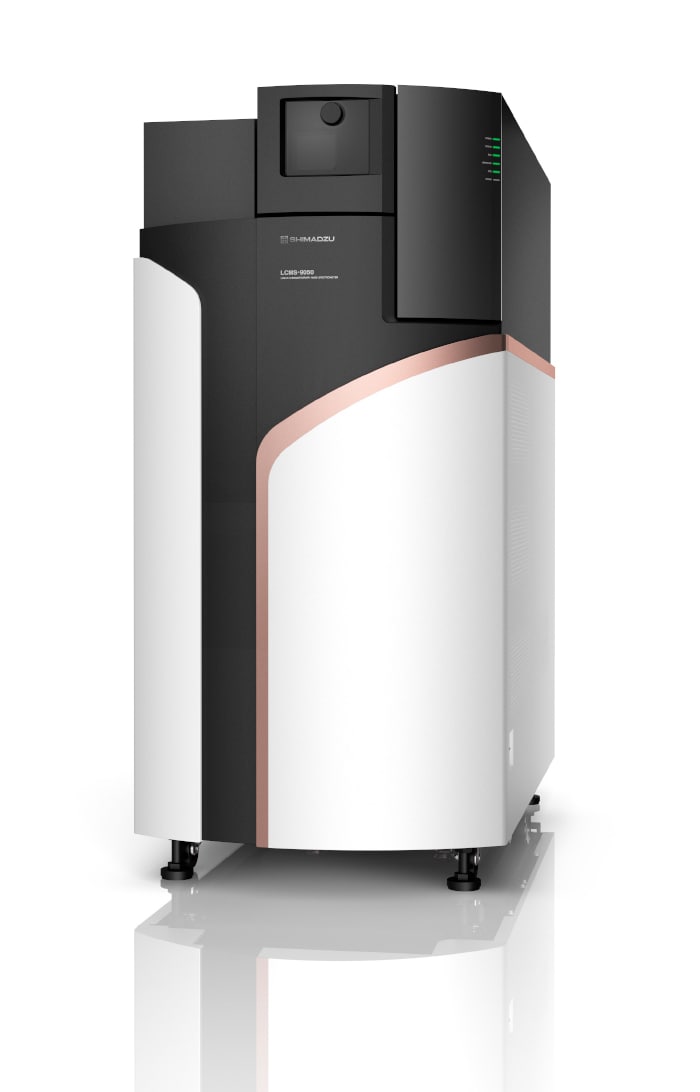
LCMS-9050


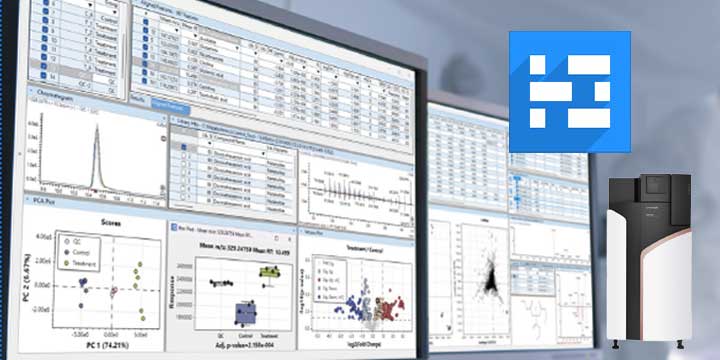
- High-resolution LC/QTOF mass spectrometry was applied to forensic hair analysis using a novel high-speed polarity switching approach with targeted data dependant acquisition (DDA) MS/MS. - Non-targeted analysis (NTA) software, LabSolutions Insight Profiler, was applied to perform feature detection, data alignment, statistical analysis and compound identification successfully detecting pharmaceutical and restricted compounds. - Detection of drug metabolites provided evidence of consumption and compliance to abstinence in family court matters.
In 2023, the Society of Hair Testing (SoHT) published updated consensus guidelines for the forensic analysis of drugs of abuse in hair, defining recommended targets across eight major drug classes: opiates, cocaine, amphetamines, cannabinoids, opioids, methadone, buprenorphine, and ketamine. Legitimate medication, accepted use cases, and degree of prescription differ in each country, however, mass spectrometry is widely applied to support legally defensible conclusions. The challenge for any drug testing in hair samples, whether it is in forensic and safeguarding contexts, workplace testing or a judicial setting, is the need to develop methods capable of detecting expanded search panels with the increased prevalence of new psychoactive substances (NPS) and non-medical prescription drug use. The approach applied in this work considered a LC/QTOF analysis using DDA-MS/MS and rapid polarity switching with a novel data processing application, LabSolutions Insight Profiler. The software was designed to support a single click approach to automate data processing of complex data sets in non-targeted analysis (NTA) from feature detection to compound identification.
October 8, 2026 GMT
Some products may be updated to newer models