Nexis GC-2030


- MonoTrap is well suited for field sampling because it is easy to transfer and store, enabling collection of plant-derived VOCs. - Plant-derived VOCs can be analyzed without the complicated pretreatment procedure such as solvent extraction. - This analysis system is ideal for measuring time-dependent changes in VOCs associated with plant stress responses.
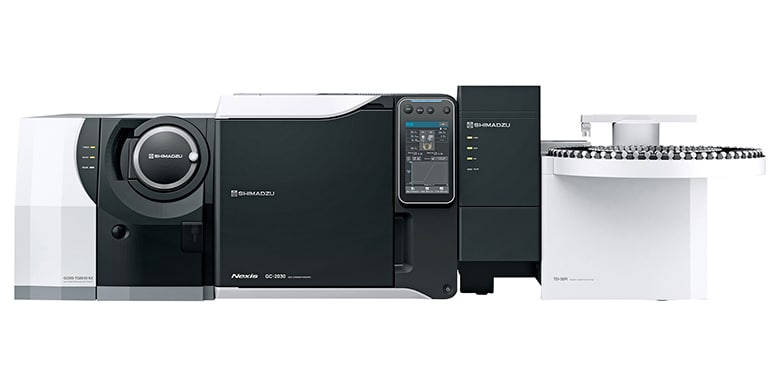
Plants release volatile organic compounds (VOCs) in response to stressors such as changes in growing conditions and physical damage. These VOCs are known to have various physiological functions, including repelling herbivorous insects, enhancing resistance against pathogens, and facilitating plant-to-plant communication. For example, green leaf volatiles (GLVs) are a group of fatty acid-derived C6 VOCs released in response to stressors such as herbivore damage and pathogenic infection, and are reported to play an important role in plant defense response. However, VOCs sampling from living plants is labor-intensive because collection equipment must be carried in the field. This Application News describes the collection of VOCs released from plant leaves in response to cutting and ultraviolet stress using MonoTrap, followed by analysis using a thermal desorption GC-MS system. VOC profiles generated under different stress conditions were compared, and time-dependent changes in VOCs emissions were evaluated.
October 15, 2026 GMT
Some products may be updated to newer models