UV-1900i Plus


- Consistent turbidity evaluations can be achieved with different instruments by preparing different calibration curves for the respective models or instruments. - Differences between transmission turbidity and integrating sphere turbidity can be evaluated by using the appropriate calibration curve for each measurement method. - The appropriate measurement method can be selected for the given measurement objectives; for example, transmission turbidity could be selected for its simplicity or integrating sphere turbidity for its lower turbidity levels.
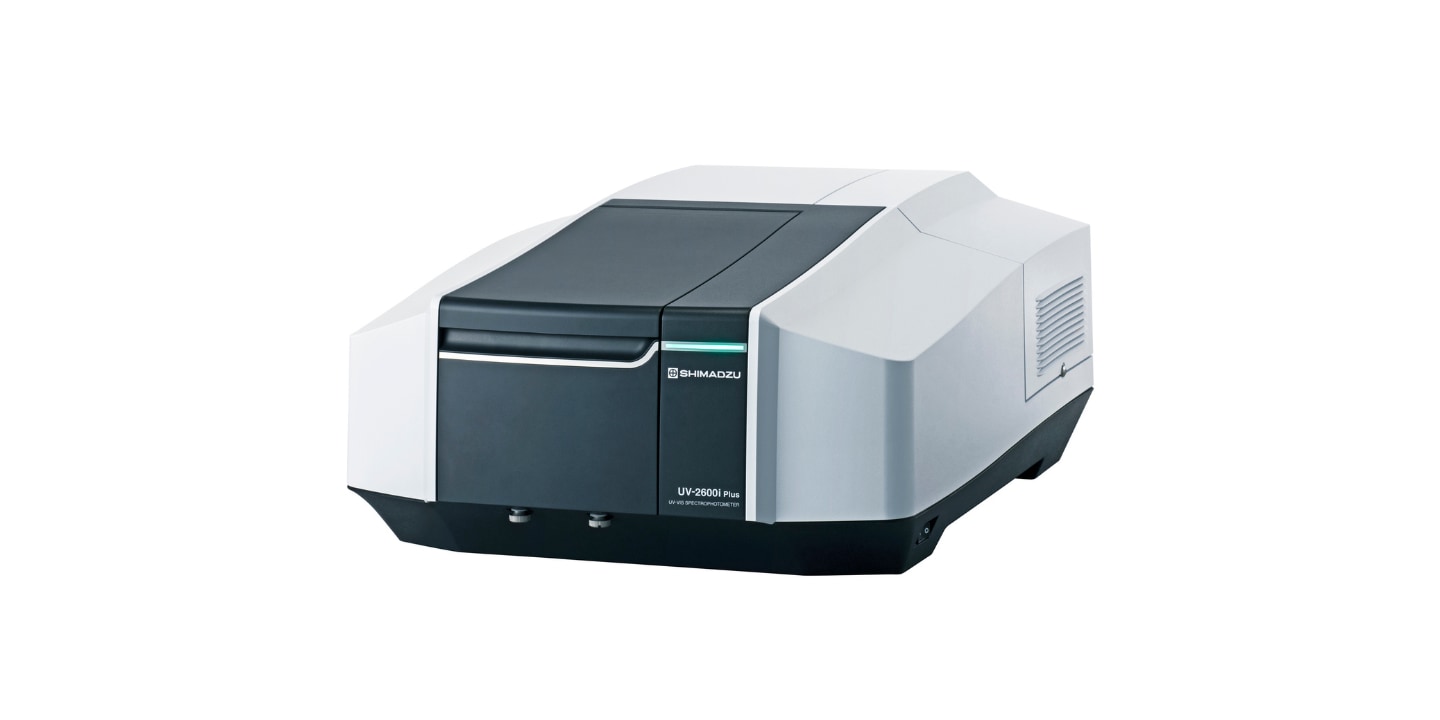
Turbidity is a measure of the cloudiness of water, and turbidity standards are specified for things like public drinking water and effluents. Turbidity can be caused by soil or other substances becoming suspended in water, chemical changes to dissolved substances in water, or other factors. Standard solutions for turbidity are typically prepared using kaolin clay, formazin, or polystyrene. Turbidity can be measured by light transmission, integrating spheres, or other methods, but the resulting calibration curves will differ depending on the instrument model and measurement method used. So evaluating turbidity without considering these differences can be problematic. This article describes the data obtained from preparing calibration curves based on transmission turbidity measured with a UV-1900i Plus UV-Vis spectrophotometer and a UV-2600i Plus UV-Vis spectrophotometer according to JIS K0102-1 testing methods for industrial wastewater. It also includes results from using an integrating sphere to measure integrating sphere turbidity.
November 3, 2026 GMT
Some products may be updated to newer models