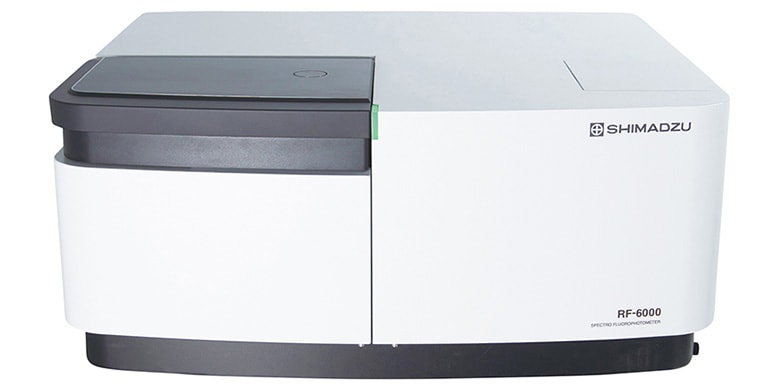
RF-6000


In Japan, diesel oil is subject to a consumption tax (national tax) and a diesel oil delivery tax (regional tax). However, kerosene and low-sulfur / high-sulfur A fuel oil are not subject to the delivery tax. Therefore, to avoid the tax, some vendors have been known to sell fraudulent diesel oil that has been mixed with kerosene or fuel oil. As a countermeasure, starting in March 1991, the then Ministry of Trade and Industry required addition of a 1 ppm concentration of coumarin to commercial kerosene and low-sulfur / high-sulfur A fuel oil products, so that they can be easily identified. Consequently, local tax bureaus have been using this marker for inspecting diesel oil by random sampling. If coumarin is detected, it means kerosene or low-sulfur / high-sulfur A fuel oil was mixed in with the diesel oil and legal measures or other actions are taken against the violator. Therefore, on December 10, 2010, the Japan Petroleum Institute (Testing and Analysis sub-committee of the Product committee) established standard JPI-5S-71-2010 as the official method for analyzing coumarin. In this example, we used Method A of the standard to measure the fluorescence spectrum of coumarin.
October 30, 2015 GMT