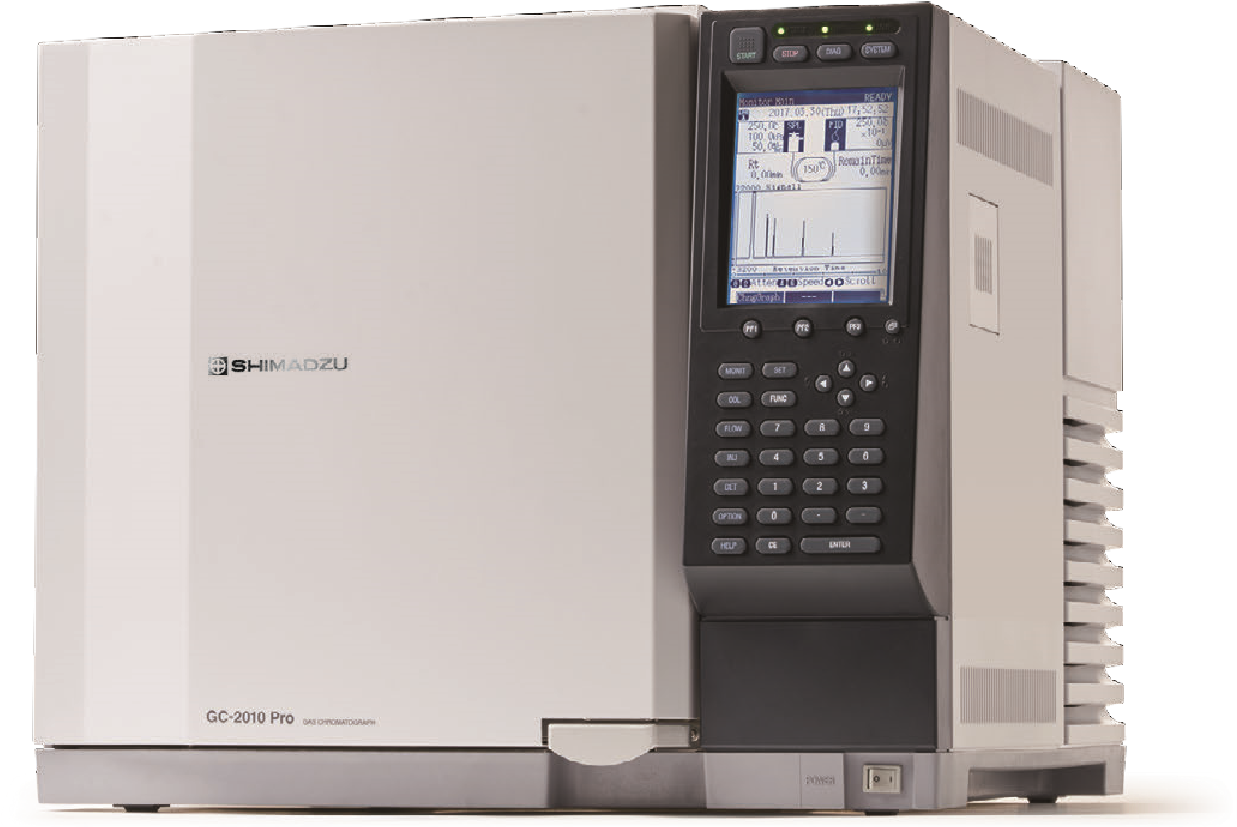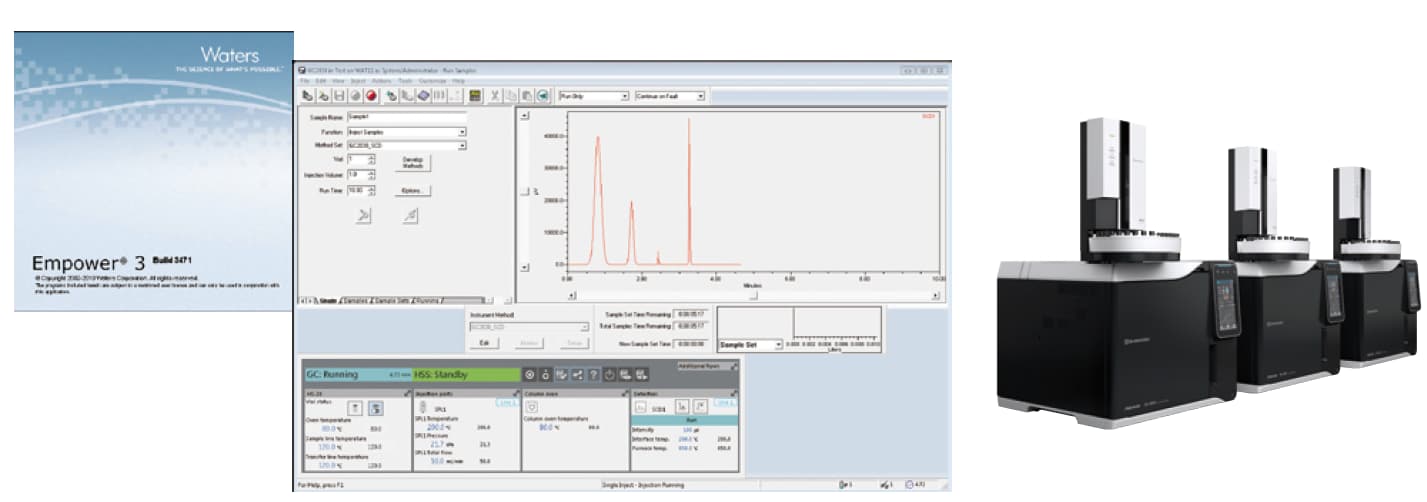
Shimadzu GC Driver for Waters Empower


Gasoline contains over 300 hydrocarbons with carbon numbers of four to twelve. The characteristics of hydrocarbons depend on factors such as carbon number and structure and they are divided into five main types (paraffin, olefin, naphthene, aromatics, and others). Among the procedures for classifying and quantifying gasoline by types of hydrocarbons are “Total Composition Testing Method by GC (JIS- K2536)“ stipulated by Japanese Industrial Standards Committee and “Total Composition Analysis by Capillary Gas Chromatogram (JPI-5S-52-99)“ stipulated by the Japan Petroleum Institute. These methods are generally called PONA analyses. PONA analysis systems measure volume and weight concentrations and mol ratios of components in gasoline and gasoline-based materials to compute octane numbers, hydrogen content, carbon content, average density and vapor pressure. However, chromatograms obtained in PONA analyses have extremely large numbers of peaks, causing inaccurate analysis due to misidentification by slight shifts in the retention time. Also in some cases, it takes a long time to correct the identification table. Consequently the repeatability of the retention time is a very important factor in PONA analysis. This application news introduces the stability of the retention time for gasoline components when using a PONA analysis system incorporating the GC-2010 with the CRG cryogenic attachment. In recent years, many types of fuels alternative to gasoline that contain lower alcohols are on the market, thus creating increasing demand for analysis them. This article also introduces the result of separation between gasoline components and lower alcohols using the PONA analysis system under the same analysis conditions.
March 24, 2003 GMT
Some products may be updated to newer models