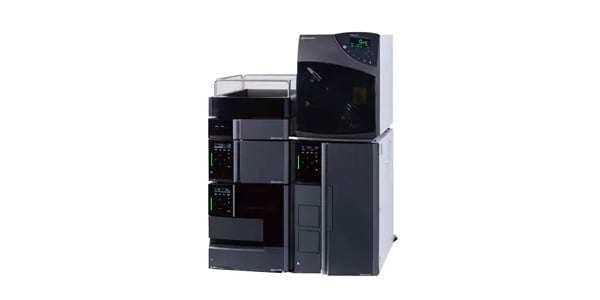
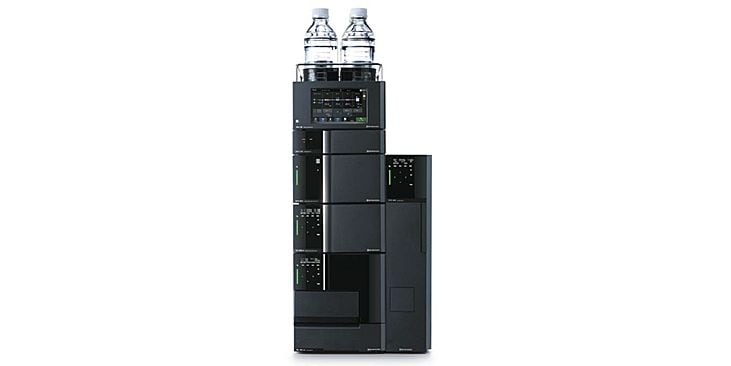
Nexera Series Ultra High Performance Liquid Chromatograph


- Five FAMEs in aviation jet fuel can be measured as per IP 590. - The IP method criteria were met easily with better sensitivity for individual FAMEs.
A fossil fuel causes a large portion of carbon dioxide enrichment in the atmosphere, resulting in climatic change. A non renewable fossil fuel has been gradually replaced by renewable biofuel. A mixture of different fatty acid methyl esters (FAME) is commonly considered as biodiesel which is a renewable alternative fuel. It is often transported by common pipelines. FAME sometimes stick to the inner surface of pipelines, resulting in a contamination to other types of fuel. Despite its suitability as an alternative fuel, the residual biodiesel remaining in shared pipelines can be a problematic contaminant in other product, such as aviation turbine fuel (AVTUR). Many countries have their specific regulations for jet fuels. ASTM D1655 and Defense standard 91-091 are the most stringent. The current tolerable amount of FAMEs is 50 mg/kg in jet fuels. The combination of normal phase HPLC and ELSD was used in this application for the measurement of FAMEs under the current specified requirement as per IP590[1]. As FAMEs are semi-volatile compounds, ELSD drift tube temperature needs to be kept as low as ambient to suppress evaporation of FAMEs, especially palmitate (C16:0). This application data shows capability of Shimadzu NexeraTM series LC systems combined with ELSD LT-III to detect FAMEs in AVTUR as low as 2.5 mg/L.
May 10, 2021 GMT
Some products may be updated to newer models