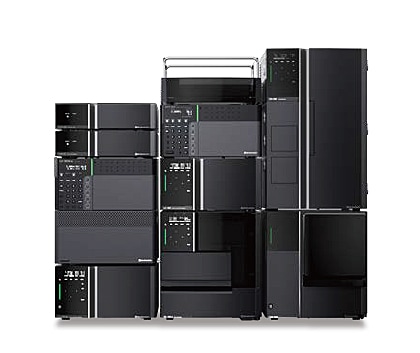
Nexera UC


- Tocopherols (α-, β-, γ-, and δ- tocopherol) can be simultaneously analyzed in about four minutes. - Concentrations of tocopherols in vegetable oils can be determined. - Limited consumption of organic solvents reduces operating costs.
Tocopherols are a class of structurally related compounds that partly constitute vitamin E. They are important natural fat- soluble compounds with outstanding antioxidant properties, which assist with neurotransmission, keep the muscles working well, prevent blood clots, and boost immune system performance. Plant-based oils, nuts, seeds, fruits, and vegetables are rich in vitamin E. CO2, which is used in supercritical fluid chromatography (SFC), is mainly used to analyze compounds subject to normal phase separation in liquid chromatography (NPLC). In addition, supercritical fluid is unique in terms of diffusivity and viscosity, with diffusivity about 100 times that of liquids, and viscosity approximately 1/10 that of liquids. Tocopherols consist of four analogous forms, alpha-, beta-, gamma-, and delta-tocopherol, with slight structural differences. Quantitative tocopherol analysis can be performed using NPLC, but transferring from LC to SFC reduces the consumption of organic solvents. Furthermore, analysis time can be decreased while maintaining identical peak resolution by increasing the flowrate. This article introduces examples of the simultaneous quantitative analysis of tocopherols in vegetable oils using the Nexera UC.
March 1, 2022 GMT
Some products may be updated to newer models