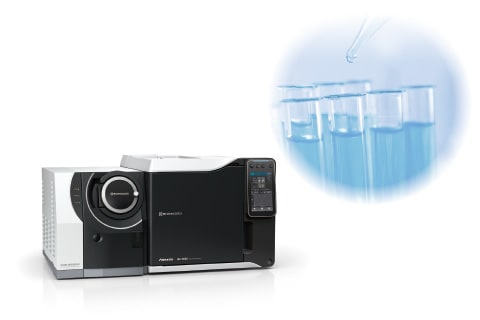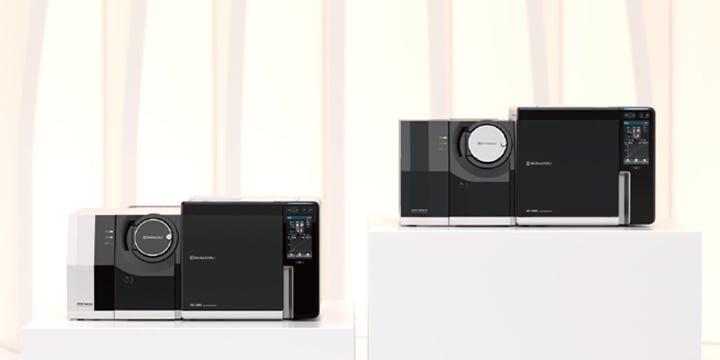
GCMS-TQ RX Series


- Makes simultaneous analysis to multivariate analysis easy for metabolomics. - The sample classification filtering function improves the efficiency of data analysis by only analyzing the data for components with a high probability of detection. - The sugar semi-quantitation method can be used to calculate the approximate concentrations of 24 types of sugars in samples.
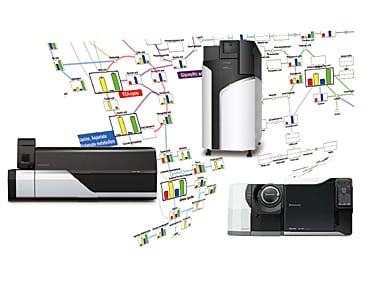
Metabolomics refers to technology used for the comprehensive analysis of all metabolites in organisms. In medical fields, metabolomics is used as an effective way to search for biomarkers that indicate the physiological changes in diseases. In recent years, metabolomics has also been used in a wide variety of food-related applications, such as analyzing differences in the percentage of ingredients, searching for components with functional benefits, establishing methods for quality evaluations, and predicting degradation over time. GC-MS(/MS) is used in metabolomic analysis to target low molecular weight hydrophilic metabolites such as amino acids, fatty acids, organic acids, and sugars because it can analyze such components simultaneously. However, detecting trace quantities of these components is best performed using SIM or MRM, which require optimization of the MS parameter settings. Smart Metabolites Database has been compiled specifically for the analysis of metabolic components using GC-MS(/MS). This database has now been upgraded to Version 2.0 to expand its applicability to metabolomics for food applications. This article describes the use of Smart Metabolites Database with multivariate analysis to identify differences in the components in different tomato varieties and to compare the concentrations of sugars across samples.
June 2, 2022 GMT
Some products may be updated to newer models