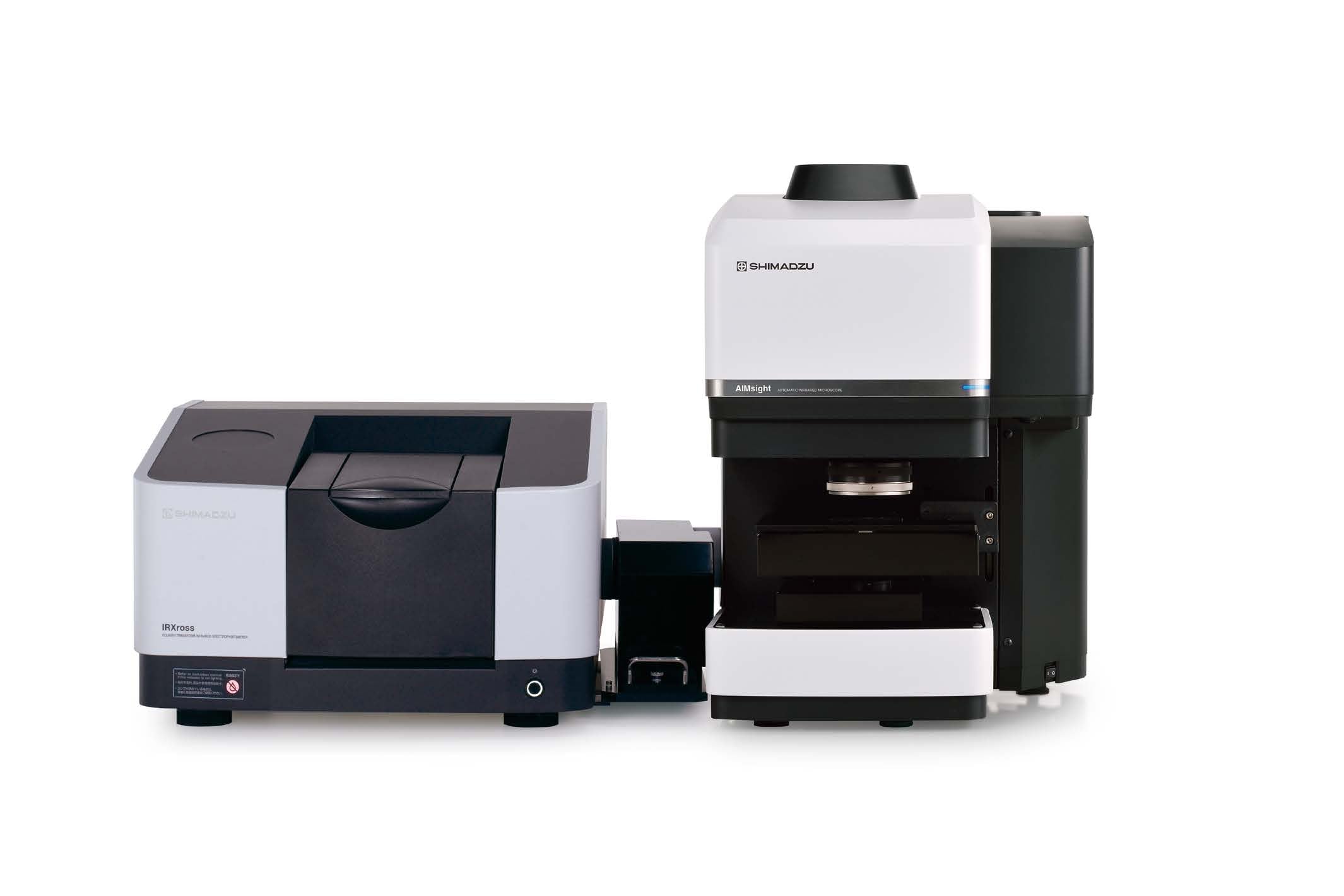
AIMsight™


- Microscopic contaminants embedded in recycled plastic can be analyzed with an infrared microscope using a simple method. - The type, number, and shape of contaminants in recycled plastic can be easily determined. - Data can be obtained quickly through the following steps: use a thermal press to form the recycled plastic into a film; perform high-speed mapping analysis by transmission spectroscopy; and then analyze the data with a particle analysis program.
Reusing plastic waste is key to achieving a carbon-neutral society, which is why targets have been established for levels of recycled plastic in plastic products. But quality control of recycled plasticsis essential for maintaining the functional properties of plastic productssince impropersorting, transporting, and processing can all lead to contamination of recycled plastic. Determining the type and quantity of contaminants in recycled plastic is important since they can have a significant negative impact on product performance in certain applications. Shimadzu’s infrared microscopes use high-speed mapping analysis to quickly find and characterize contaminants dispersed in recycled plastic, and Shimadzu’s particulate analysis program also provides a convenient and simple tool for determining the morphology and numbers of contaminants. This Application News describes using this equipment and tools to analyze contaminants in recycled plastic material that was formed into a film.
August 7, 2025 GMT