
AIRsight™


- Use of airtight cell allows infrared and Raman measurements of samples that are susceptible to degradation from atmospheric components when exposed to non-atmospheric conditions. - Since AIRsight enables both infrared measurement and Raman measurement, the progress of deterioration of various battery components due to charging/discharging can be evaluated with a single instrument.
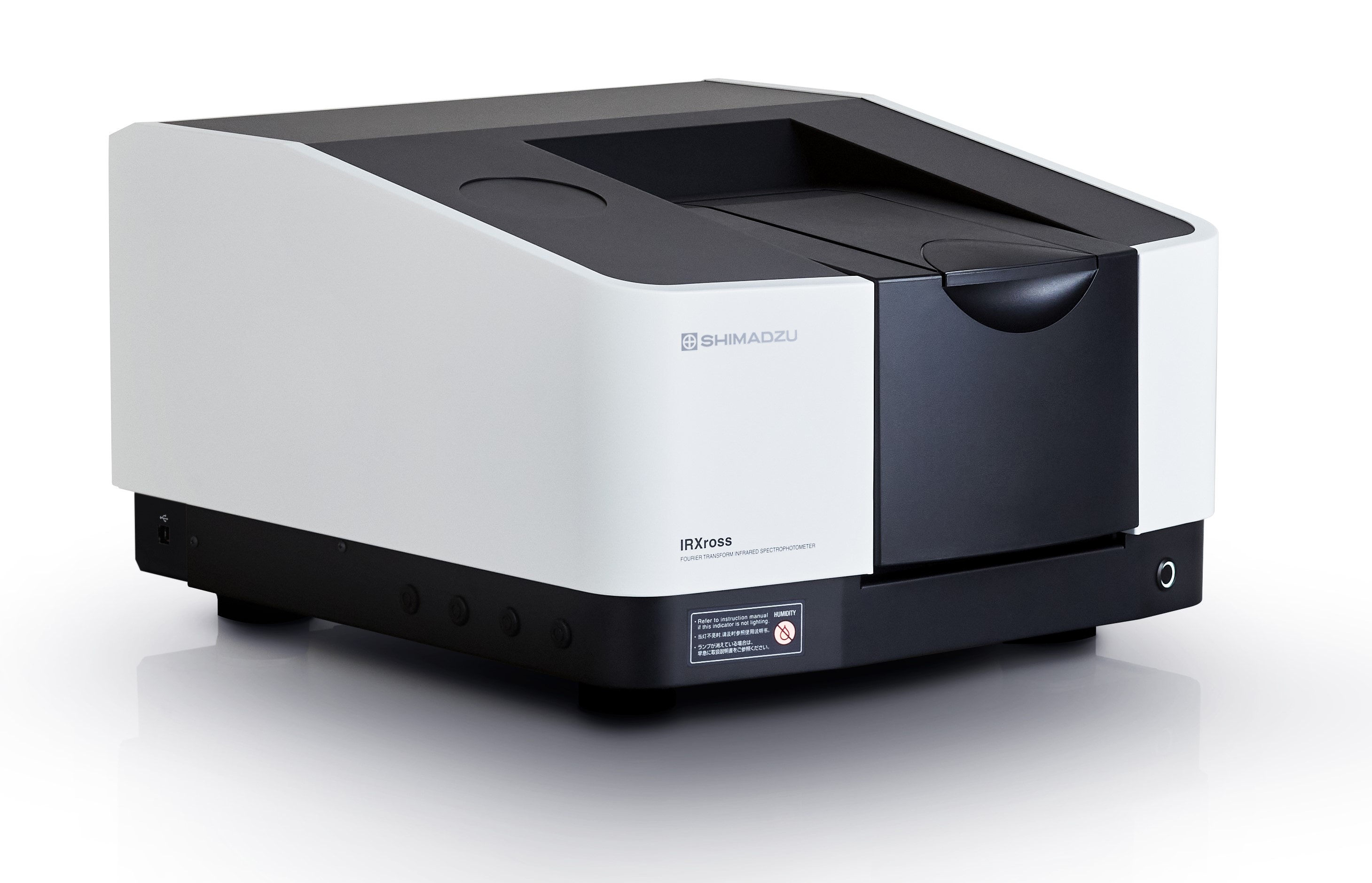
Lithium-ion batteries (LiBs) are used in many products, including smartphones and electric vehicles, owing to their outstanding features such as high energy density, long life, and large capacity, but because LiB components are subject to progressive deterioration with repeated charging/discharging, decreased battery capacity has become a problem. In response, research and development to clarify the causes of deterioration and delay its progress are underway. Since LiBs consist mainly of a positive electrode material, negative electrode material, separator, electrolyte, and a case, the causes of deterioration can be investigated by examining the changes in each of these components before and after charging/discharging. However, because many of these materials react with moisture and oxygen in the atmosphere, analyses must be conducted under conditions where the components are not exposed to the air. Moreover, as the substances used in these components include diverse organic and inorganic substances, evaluation using a combination of at least two instruments is inherently necessary. Until now, analyses of organic substances and inorganic substances had been carried out using two different instruments. However, the AIRsight infrared/Raman microscope introduced in this article is a new type of microscope that makes it possible to analyze both types of substances with one instrument by incorporating a Raman unit in an infrared microscope. Since infrared and Raman spectra can be acquired at the same position, without moving the sample, the accuracy of qualitative analysis of micro areas is dramatically improved. By combining this instrument with an airtight cell, it is possible to measure three types of LiB materials, the positive electrode material, negative electrode material, and separator, under non-atmospheric exposure conditions. This article introduces an example of an evaluation of the changes in these components before and after charging/discharging using the AIRsight microscope and airtight cells to isolate the samples from the atmosphere.
November 11, 2025 GMT