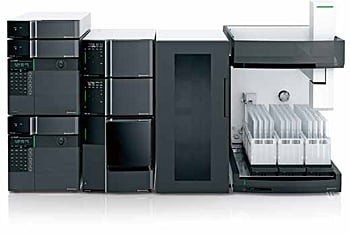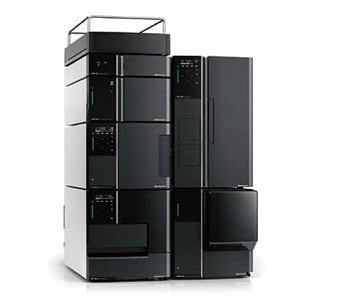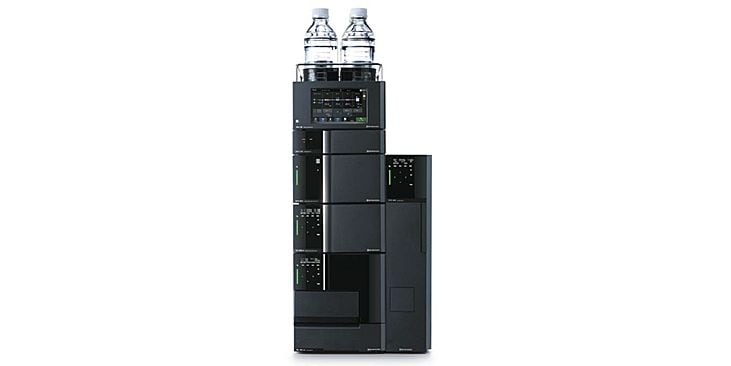
Nexera Series Ultra High Performance Liquid Chromatograph


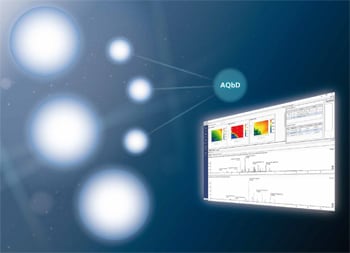
- AI algorithm equipped in LabSolutions MD automatically optimizes gradient profile and automatically searches for conditions that meet the specified separation criteria for desired peaks (such as the main component and related impurities). - Seamless method transfer from analytical scale to semi-prep scale can be performed. - Purity of collected fraction can be simply performed using MALDI.
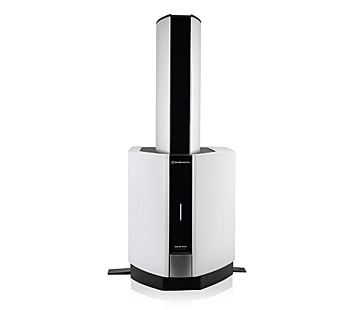
In typical HPLC method development, “preparation” steps such as setting up mobile phase and column and creating analytical batch are executed before starting “analysis.” Subsequently, the obtained data undergoes “data processing” followed by repeating “preparation” for the next analysis and another “analysis” was started. This repeated process drives method development. HPLC analysts are required not only huge time to repeatedly create analytical batches but also expertise in chromatography during optimization of analytical conditions based on the results of he obtained data. In other words, conventional method development requires human intervention. Consequently, labor savings through the automation of the entire method development processes are highly anticipated. In this article, the gradient profile that meet separation criteria for semaglutide, a GLP-1 receptor agonist, and its impurities were automatically searched using the analytical method development support software LabSolutions MD. Subsequently, the analytical conditions were scaled up to semi-prep scale and fractionation was performed. Furthermore, the purity of the collected samples was confirmed using matrix-assisted laser desorption/ionization time-of-flight mass spectrometer (MALDI-8030).
November 25, 2025 GMT
Some products may be updated to newer models