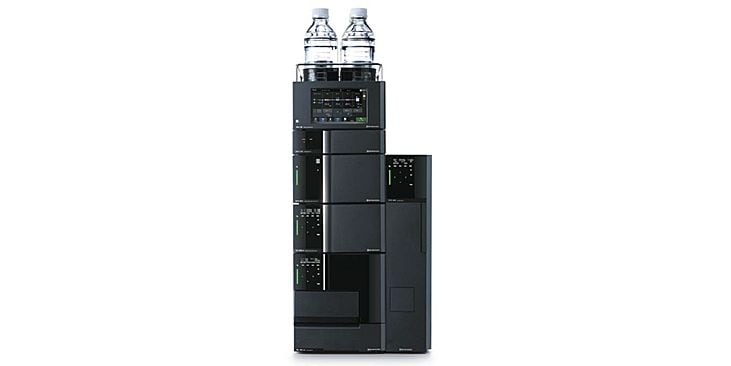
Anion Suppressor Ion Chromatograph


- This analysis meets the standard values of ISO14687 Grade D. - Simultaneous analysis of inorganic halogens and formic acid is possible. - Since organic solvents are not used for extraction during pretreatment, environmental impact is reduced.
Hydrogen is expected to be a new power and heat source to reduce greenhouse gases. Hydrogen is an easily available substance that can be produced from the electrolysis of water in our daily lives. However, when used in fuel cells, it is necessary to control impurities in hydrogen gas because certain impurities introduced during the manufacturing process deteriorate the electrode and electrolyte membrane, reducing the performance of the fuel cell or shortening its life. This section presents an example of analysis of inorganic halogens, formic acid, ammonia, and formaldehyde in hydrogen based on the standard values described in ISO 14687 Grade D.
December 8, 2025 GMT
Some products may be updated to newer models