iMScope QT


- It is possible to identify the C=C positions of fatty acids in sections quickly and easily without the need for extraction or other complicated processes. - It can be applied to both alkali metal adducts and proton adducts. - It can be applied to both positive and negative ion polarities.
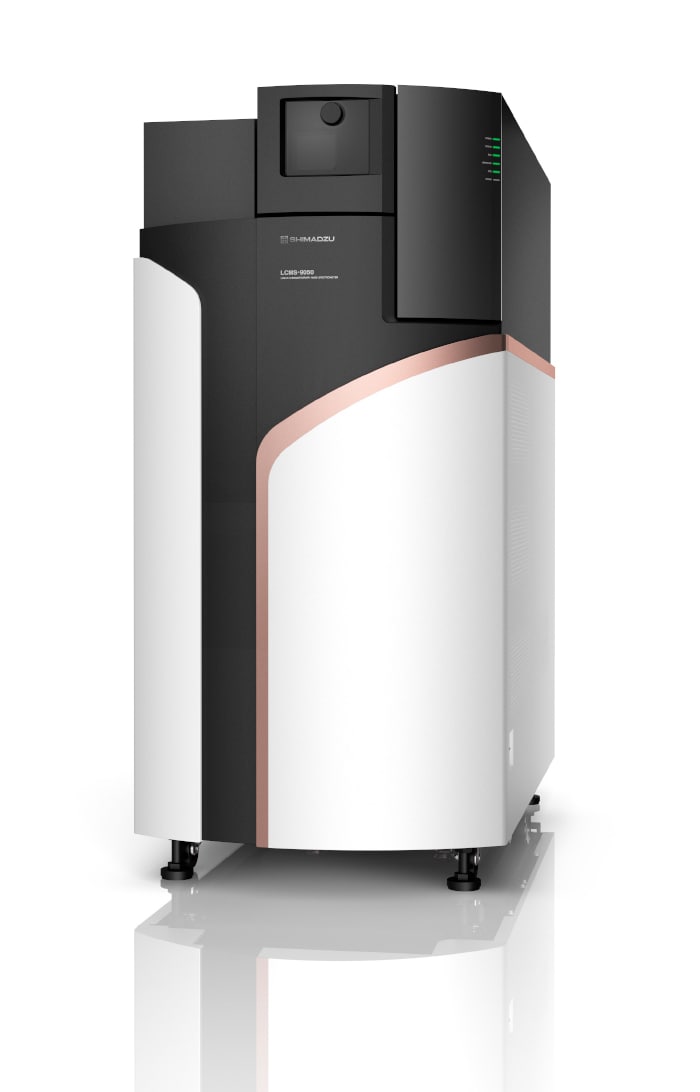
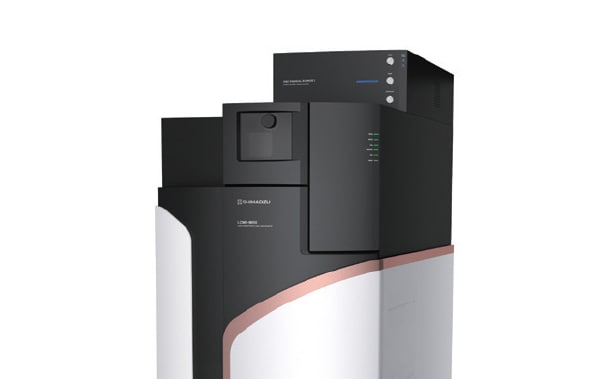
Tandem mass spectrometry (MS/MS) is an essential technique for the structural analysis of biomolecules, with Collision Induced Dissociation (CID)-MS/MS being widely used, which utilizes gas collisions with sample ions. However, CID preferentially dissociates at points in the molecular structure where bond energies are weak, often resulting in insufficient structural information for substances with unknown chemical structures. Therefore, we have developed a new MS/MS method (Oxygen Attachment Dissociation, OAD-MS/MS) that can be used complementarily with CID. Oxygen Attachment Dissociation (OAD) is a fragmentation method that specifically dissociates carbon-carbon double bonds (C=C). In this report, we conducted C=C position analysis of lipids in mouse brain sections using MALDI-OAD-MS/MS, combining an OAD-TOF system equipped with the OAD RADICAL SOURCE I option kit on the LCMS-9050 with an imaging mass microscope, iMScope QT.
March 10, 2026 GMT