SialoCapper-ID Kit


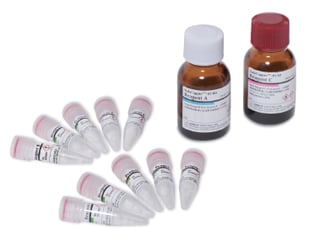
- Sialic acid linkage type, which is closely related to the infectivity of the virus, can be easily evaluated. - Sialic acid linkage isomer can be easily discriminated by mass spectrometry without LC separation or sialidase treatment. - Because sialic acid residues can be stabilized by a simple procedure using SialoCapper-ID Kit, neutral and acidic glycans can be detected simultaneously.
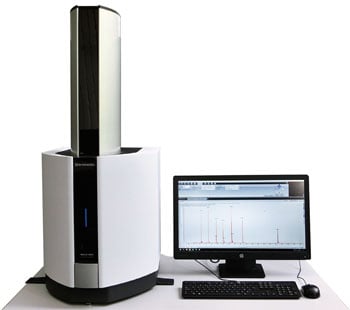
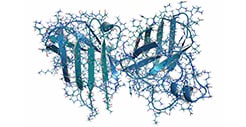
Sialic acids mainly exist at the non-reducing end of the glycans via α2,3-/α2,6-linkages. Some examples are showing the association of the difference in linkage types and viral infectivity. For example, human influenza viruses recognize (attach to) α2,6-linked sialic acids, invading the body and causing infection, whereas avian influenza viruses recognize α2,3-linked sialic acids. Because the sialic acid usually presents in the epithelial cells of the upper respiratory tract is in the α2,6-linked form, avian influenza viruses have difficulty invading human bodies. Glycan analysis is of high importance to clarify the mechanism of viral infection process and develop therapeutic medicines. Severe acute respiratory syndrome coronavirus 2 (SARS-CoV-2), the cause of the recent pandemic of coronavirus disease 2019 (COVID-19), uses angiotensin-converting enzyme II (ACE2) as a host cell receptor. As with other viruses, the specific linkage isomer of sialic acid is likely to be involved in the infection process, and the glycan analysis of ACE2 is in progress. In this article, we show an example of MALDI-TOF-MS analysis of N-linked glycans (N-glycans) released from ACE2. The sialic acid linkage isomer was also differentiated by using “SialoCapper-ID Kit,” the sialic acid stabilizing kit for linkage isomer discrimination.
April 28, 2021 GMT