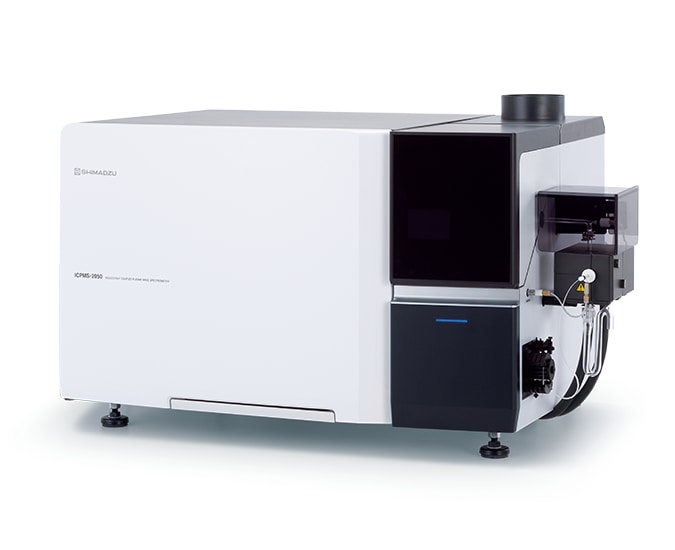
ICPMS-2040 Series / ICPMS-2050 Series


- Bioethanol samples can be directly injected into ICP-MS for analysis. - Trace elements can be accurately determined with high sensitivity.
To achieve carbon neutrality, bioethanol is expected to be one of the alternative energy sources to fossil fuels. First-generation bioethanol, produced mainly from corn, sugarcane, and similar crops, has been widely used. However, to avoid competition with food supplies, research and development are also advancing on second-generation bioethanol produced from non-food raw materials such as cellulosic materials. For example, in Japan, leading companies including Toyota Motor Corporation have formed the raBit (Research Association of Biomass Innovation for Next Generation Automobile Fuels) to advance technologies for next-generation bioethanol. Shimadzu is also participating as a supporting member to promote R&D through technical cooperation for analysis. Fuels in which bioethanol is blended into gasoline are referred to as E5 (up to 5% bioethanol), E10 (up to 10% bioethanol), etc.; using these fuels in vehicles can reduce environmental impact. At the same time, ethanol blended into gasoline and used as a fuel is required to meet trace element concentration limits (e.g., for copper) specified in standards such as ASTM D4806 and EN 15376. ICP-OES is commonly used for these analyses, but when ultra-trace impurity levels must be measured, higher-sensitivity ICP-MS is more suitable. In this Application, trace elements in first-generation and second-generation bioethanol were determined using the ICPMS-2050. Spike recoveries were also evaluated to confirm the validity of the analytical results.
April 7, 2026 GMT