


Peptide Therapeutics

Peptide therapeutics, such as GLP-1 receptor agonists, can be produced at a lower cost than biopharmaceuticals, and their small molecular weight enables easy, efficient cellular uptake. Furthermore, peptide modifications and three-dimensional structures can prevent degradation within the body. However, these peptide therapeutics can produce byproducts during the synthesis process, which can affect the efficacy and safety of the drug. In the research, development, and manufacturing of peptide therapeutics, analytical instruments play a crucial role in verifying both crude and purified products and detecting impurities. These rigorous analyses ensure product quality and safety, enabling the provision of effective medicines.
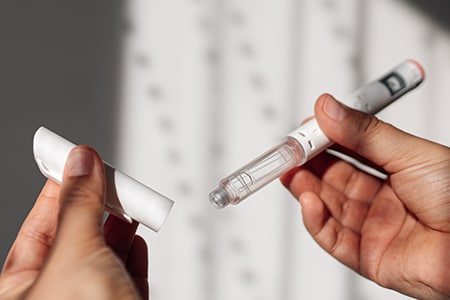
The glucagon-like peptide-1 (GLP-1) receptor agonists exert their effects by activating GLP-1 receptors, promoting insulin secretion, and suppressing glucagon secretion. They are primarily used to help control blood sugar levels in people with type 2 diabetes while also showing the potential to aid in weight reduction and management.
The increasing demand for GLP-1 receptor agonists necessitates rigorous quality control using advanced analytical techniques to ensure their safety, efficacy, purity, and stability.
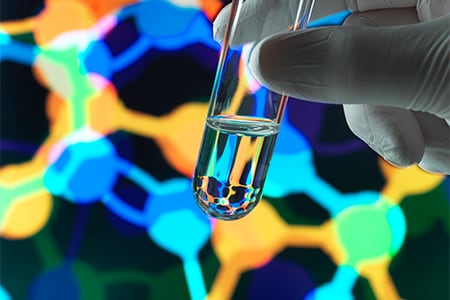
Like small-molecule drugs, most peptide therapeutics are manufactured through chemical synthesis. To ensure their suitability as drugs, preparative purification is essential to remove impurities and increase the purity of the target substance, a process primarily done using reversed-phase HPLC.

Conformational analysis for peptide APIs involves confirming the amino acid sequence and molecular weight using a mass spectrometer. Mass spectrometry is also effective for confirming and identifying impurities in quality control.
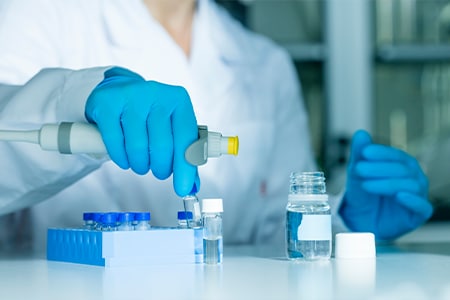
During the synthesis of peptide therapeutics, byproducts with properties that differ from those of the target peptide may be generated. These byproducts have the potential to affect the efficacy and safety of the drug. Identifying and quantifying impurities through separation analysis ensures the quality, effectiveness, and safety of the final product.
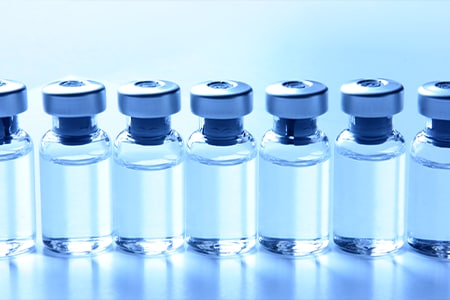
Trifluoroacetic acid (TFA) is used to extract synthesized peptides from the stationary phase. The recovered peptides are TFA salts with ionic bonds to the TFA. The weight of the peptide after lyophilization includes the weight of the TFA, which significantly affects the actual peptide content. Furthermore, TFA may affect bioavailability and should be replaced with a salt such as hydrochloride. Therefore, quantifying counterions is essential for confirming the purity of synthetic peptides.