


Research and Development (Biomass Fuel)

As the use of diverse feedstocks expands and decarbonization accelerates, biofuel research and development requires a thorough understanding of feedstock characteristics and the underlying reaction pathways. To achieve high-efficiency production and ensure consistent quality, it is essential to deepen process understanding through precise analytical methods.

Accurate evaluation of feedstock properties is essential for converting biomass into fuels. Analyzing chemical composition and energy content, and then determining the optimal pretreatment conditions, can significantly improve the efficiency of the entire process.
During the conversion stage, tracking intermediates is crucial for elucidating reaction pathways. Understanding by-product formation and precisely controlling reaction conditions enable higher target-product yields and optimized selectivity. In addition, detailed analysis of catalyst deactivation mechanisms and poisoning states provides critical insights into extending catalyst lifetime and establishing effective regeneration processes.
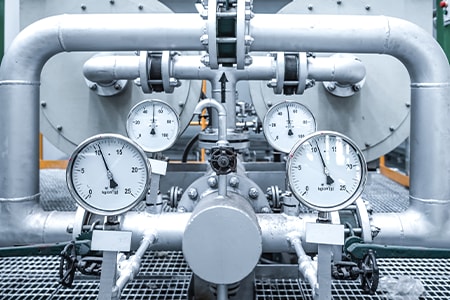
In the R&D of both biofuels and synthetic fuels, compositional analysis of product gases is a critical step that can determine the success of the overall process. In biomass gasification and Fischer–Tropsch (FT) synthesis, monitoring the H₂/CO ratio directly supports maximizing carbon efficiency and controlling reaction selectivity.
In addition, the use of biogas produced by fermenting organic materials—such as food waste, livestock manure, and sewage sludge—is expanding, making gas analysis essential for evaluating process performance.
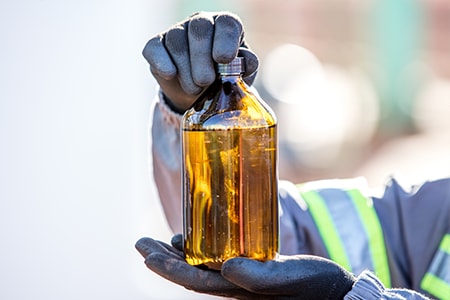
Chemical analysis of the final product is essential to verify that the manufactured fuel meets required quality specifications. Through compositional characterization, catalyst conversion, selectivity, and final yield can be rigorously evaluated, ensuring the fuel’s practicality as an energy source. By feeding these property data back into process design, optimization toward the large-scale deployment of carbon-neutral fuels can be accelerated.
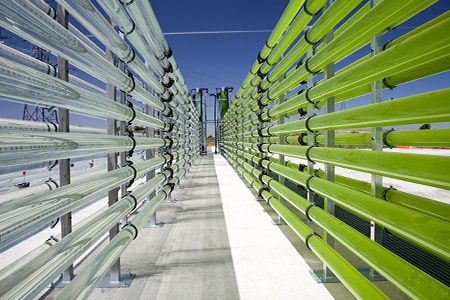
Commercializing algal biomass requires precise evaluation at every stage of the process. During the screening and strain development phase, quantifying intracellular components and measuring their concentrations helps accelerate the selection of optimal algal strains and the establishment of suitable cultivation conditions. In the cultivation and extraction steps, to improve productivity and ensure stable operation, it is critical to monitor liquid-phase management parameters and measure fatty acid content. Furthermore, hydrocarbon analysis during the purification and upgrading stages enables rigorous verification of both the validity of the conversion process and the resulting fuel quality.