


Quality Control (Biomass Fuels)

As demand for biofuels grows with decarbonization efforts, robust quality control and compliance with international standards are essential to ensure reliability. Accurate analytical evaluation is indispensable for assessing compositional differences resulting from diverse feedstocks.

Bioethanol has become more widely used as a gasoline substitute; however, its hygroscopic nature and potential to corrode metals can directly affect engine performance. Strict control of impurities such as water and organic acids is essential to prevent damage to internal combustion engines and to optimize combustion efficiency.
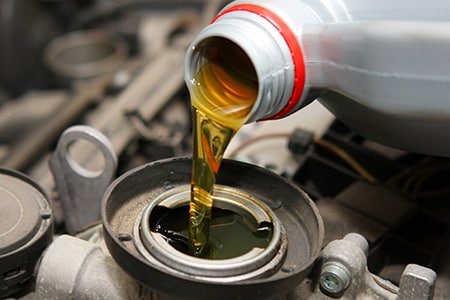
Biodiesel, which consists primarily of fatty acid methyl esters (FAME) derived from vegetable oils and other sources, faces challenges such as sludge formation due to oxidation and solidification at low temperatures. Because these issues can cause fuel system blockages and engine performance issues, precise control of oxidation stability and trace impurities is essential.
Because aircraft operate in harsh environments—such as extremely low temperatures and high altitudes—SAF must deliver stability equal to or greater than that of conventional jet fuel. Precise control of hydrocarbon composition and the removal of trace metals and sulfur compounds are essential requirements to ensure engine safety and durability.