


Was ist TNFD?
Im Juni 2021 wurde die Taskforce on Nature-related Financial Disclosures (TNFD) gegründet. Diese internationale Organisation schafft einen Rahmen für private Unternehmen und Finanzinstitute, um Risiken und Chancen im Zusammenhang mit Naturkapital und Biodiversität – einschließlich Luft, Wasser, Mineralien, Boden, Pflanzen und Tieren – angemessen zu bewerten und offenzulegen. Die TNFD wurde 2019 auf dem Jahrestreffen des Weltwirtschaftsforums in Davos als Nachfolgerahmen der Taskforce on Climate-related Financial Disclosures (TCFD) konzipiert. Ihr Ziel ist die Etablierung eines Offenlegungsrahmens für naturbezogene Risiken, um den Übergang zu einer „naturpositiven“ Gesellschaft zu fördern, in der Finanzmittel gezielt in den Schutz und die Wiederherstellung natürlicher Ökosysteme fließen.
Unsere wirtschaftlichen Aktivitäten hängen von den Leistungen (Ökosystemleistungen) des Naturkapitals wie Luft, Wasser, Mineralien, Boden, Pflanzen und Tieren ab. Beispielsweise profitieren wir vielfältig von der physischen Bereitstellung von Wasser, Metallen und anderen Stoffen, von Wäldern, die Wind- und Hochwasserschäden mindern, und von Mikroorganismen, die die Wasserqualität verbessern. Um diese Leistungen weiterhin zu erhalten, ist es unerlässlich, das Gleichgewicht der biologischen Vielfalt zu bewahren. Daher ist es aus Sicht der unternehmerischen Nachhaltigkeit wichtig, den Zusammenhang zwischen Geschäftstätigkeiten und der Abhängigkeit vom Naturkapital, einschließlich der Biodiversität, sowie die Auswirkungen auf die Natur zu verstehen und negative Auswirkungen zu reduzieren und gleichzeitig positive zu erhöhen.
Im Rahmen der Nachhaltigkeitscharta der Shimadzu-Gruppe hat unsere Gruppe den „Beitrag zum Wohlergehen der Erde“, einschließlich der Biodiversität, als wesentliches Thema (Wesentlichkeit) definiert. Ausgehend von dieser Wesentlichkeit bewerten, analysieren und veröffentlichen wir die Auswirkungen unserer Geschäftstätigkeit auf das Naturkapital und umgekehrt gemäß den Empfehlungen der TNFD. Im Juli 2024 haben wir unsere Unterstützung für die TNFD-Empfehlungen zum Ausdruck gebracht und uns als TNFD-Anwender registriert *1. Im Geschäftsjahr 2024 führten wir eine Analyse und Bewertung auf Basis des LEAP-Ansatzes durch, die unsere gesamte Wertschöpfungskette (Upstream, Direktvertrieb und Downstream) umfasste.
- *1 Organisationen oder Unternehmen, die ihre Absicht erklärt haben, Informationen gemäß den TNFD-Empfehlungen offenzulegen.
Governance
Die Shimadzu-Gruppe erörtert im Rahmen der Umweltkonferenz (unter dem Vorsitz des Präsidenten, die zweimal jährlich tagt), einem ausschließlich mit Umweltfragen befassten Unterausschuss, Risiken und Chancen im Zusammenhang mit der Natur sowie Maßnahmen zur Lösung von Managementproblemen. Die Ergebnisse der Beratungen werden dem Vorstand berichtet und von diesem diskutiert; er überwacht die Durchführung der Beratungen.
Der Unternehmensethikkodex, der als Verhaltensrichtlinie für Mitarbeitende dient, legt die Achtung der individuellen Menschenrechte fest und verbietet Diskriminierung aufgrund von Rasse, Geschlecht, Sprache, Nationalität, Religion, körperlicher Behinderung, Weltanschauung oder aus anderen Gründen als eines seiner Kernprinzipien. Auf diesem Prinzip der Achtung der Menschenrechte basierend, begegnen wir auch allen in naturnahen Geschäftsaktivitäten, wie der Beschaffung und Nutzung von Ressourcen, identifizierten Menschenrechtsrisiken durch menschenrechtskonforme Maßnahmen.
Im Januar 2025 haben wir außerdem unsere Multi-Stakeholder-Richtlinie eingeführt, um vertrauensvolle Beziehungen zu unseren Stakeholdern aufzubauen. Wir pflegen einen offenen und transparenten Dialog mit ihnen zu allen Aspekten unserer Geschäftstätigkeit. Weitere Informationen zu unserem Stakeholder-Engagement finden Sie unten.
Einbindung der Interessengruppen
Risiko- und Wirkungsmanagement
Unsere Gruppe führte Analysen und Bewertungen gemäß dem LEAP-Ansatz durch. Konkret identifizierten wir naturbezogene Risiken und Chancen auf drei Ebenen – lokale Betriebsführung, Produkt/Dienstleistung und Konzernebene – basierend auf den Veröffentlichungen der TNFD. Bei der Identifizierung von Risiken und Chancen auf lokaler Betriebsebene bewerteten wir die Abhängigkeiten und Auswirkungen auf die Natur in jeder Phase der Wertschöpfungskette – vorgelagerte Bereiche, direkte Betriebsführung und nachgelagerte Bereiche – und beurteilten die daraus resultierenden Risiken und Chancen. Wir ordneten und analysierten naturbezogene Abhängigkeiten und Auswirkungen auf Grundlage der Ergebnisse von ENCORE *2 und der spezifischen Merkmale unserer Geschäftstätigkeit.
Für Geschäftsaktivitäten mit besonders hoher Abhängigkeit oder starken Auswirkungen identifizierten wir prioritäre Regionen für weitere Analysen und Maßnahmen, bewerteten die lokalen Abhängigkeiten und Auswirkungen in diesen Gebieten und entwickelten anschließend geeignete Gegenmaßnahmen. Für Risiken und Chancen auf Produkt-/Dienstleistungs- und Unternehmensebene schätzen wir makroökonomische Veränderungen anhand der vom TNFD vorgeschlagenen Szenarien ab und nutzen diese, um relevante Risiken und Chancen zu identifizieren. Die identifizierten Risiken und Chancen wurden qualitativ anhand ihres potenziellen Ausmaßes bewertet.
Wir haben die finanziellen Auswirkungen geprüft und entsprechende Gegenmaßnahmen erarbeitet.
Darüber hinaus wird an jedem Standort das Management von Abhängigkeiten und Auswirkungen auf die Natur – wie beispielsweise Abwasser- und Abfallmanagement – durchgeführt. Die Abteilung Globales Umweltmanagement leitet regelmäßig die Identifizierung und Bewertung naturbezogener Risiken und Chancen und prüft geeignete Gegenmaßnahmen. Die Umweltbesprechung diskutiert und überprüft diese Bewertungsergebnisse und trägt so zum unternehmensweiten Risikomanagement bei.
- *2 Ein Instrument, das visualisiert, wie die Wirtschaft von der Natur abhängt und diese beeinflusst, und wie Umweltveränderungen Geschäftsrisiken erzeugen können.
Strategie
Abhängigkeit/Auswirkung
Die untenstehende Heatmap visualisiert die Ergebnisse unserer Analyse der Abhängigkeiten und Auswirkungen der Shimadzu-Gruppe auf die Natur. Die Heatmap zu den Auswirkungen zeigt, dass neben den Folgen der Wasserverschmutzung durch unsere direkten Betriebsabläufe auch erhebliche Auswirkungen durch Landnutzungsänderungen und nicht-treibhausgasbedingte Luftverschmutzung in vorgelagerten Bereichen der Wertschöpfungskette zu erwarten sind.
Tabelle: Heatmap der Abhängigkeiten von der Natur

Tabelle: Wärmekarte der Auswirkungen auf die Natur

Direkte Operationen
Da unsere direkten Betriebsabläufe potenziell erhebliche Auswirkungen auf die Wasserqualität haben, haben wir Produktionsstandorte mit hoher Priorität für Analysen und Maßnahmen ausgewählt. Dabei berücksichtigten wir Faktoren wie die Integrität des Ökosystems, die Bedeutung für die Biodiversität, die Wasserknappheit und das Abwasservolumen. Anschließend untersuchten wir den aktuellen Status der Umweltauswirkungen an diesen Standorten.
Die Ergebnisse zeigten, dass diese Standorte die Abwasserkonzentration regelmäßig messen und das Abwasser gemäß freiwilligen Standards, die strenger sind als die gesetzlichen oder behördlichen Vorgaben, in die Kanalisation einleiten. Unsere Geschäftstätigkeit basiert auf vertrauensvollen Beziehungen zu unseren Stakeholdern, einschließlich der lokalen Gemeinschaften. Wir betrachten den Aufbau dieses Vertrauens als unternehmerische Verantwortung und als wesentlichen Bestandteil der Wertsteigerung unseres Unternehmens. Wir werden unsere Anstrengungen zur Reduzierung der Umweltbelastung fortsetzen, den Dialog mit unseren Stakeholdern pflegen und uns aktiv mit sozialen Fragen im Zusammenhang mit unserer Geschäftstätigkeit auseinandersetzen.
Upstream
Im vorgelagerten Bereich der Wertschöpfungskette haben Landnutzungsänderungen und die damit einhergehende Luftverschmutzung (ohne Treibhausgase) durch Aktivitäten wie Eisenerz- und Bauxitabbau sowie Erdölförderung erhebliche Auswirkungen. Um dem zu begegnen, haben wir Regionen mit hohem Analyse- und Handlungsbedarf identifiziert, indem wir die Umweltauswirkungen anhand von EXIOBASE *3 und anderen öffentlich zugänglichen Daten abgeschätzt und Studien zu den ökologischen und sozialen Folgen in diesen Gebieten durchgeführt haben. Die Studien bestätigten, dass in einigen Regionen im Zusammenhang mit dem Eisenerzabbau erhebliche soziale Bedenken hinsichtlich der Umweltbelastungen bestehen, darunter Landnutzungsänderungen und die damit verbundenen Umweltauswirkungen. Angesichts dieser Risiken haben wir interne Richtlinien eingeführt, die vorschreiben, dass alle neuen Produkte im Vergleich zu ihren Vorgängern eine geringere Umweltbelastung über ihren gesamten Lebenszyklus hinweg verursachen müssen. Unsere Standards für umweltfreundliche Beschaffung gelten zwar direkt für Lieferanten, beinhalten aber auch Anforderungen wie die proaktive Verwendung von Recyclingmaterialien. Wir betrachten diese Initiativen nicht nur als Maßnahmen zur Reduzierung der Umweltbelastung weiter vorgelagert in der Wertschöpfungskette, sondern auch als Mechanismen zur Minderung dieser Belastungen. Darüber hinaus entwickeln wir firmeneigene Technologien, die das Recycling von Ressourcen erleichtern, und wir sind der Ansicht, dass diese technologischen Innovationen dazu beitragen, die mit der Rohstoffgewinnung verbundene Umweltbelastung zu verringern.
- *3 Ein Modell, das die Multi-Regional Environmentally Extended Supply-Use Table (MR-SUT) und die Multi-Regional Input-Output Table (MR-IOT) integriert, um die Umweltauswirkungen auf der Grundlage von Branche und Region abzuschätzen.
Risiken und Chancen
Basierend auf den Ergebnissen unserer Abhängigkeits- und Wirkungsanalysen, regionalen Analysen und Szenarioanalysen zeigt die Tabelle rechts die naturbezogenen Risiken und Chancen, die sich voraussichtlich erheblich auf unser Unternehmen auswirken werden. Wir reduzieren oder eliminieren aktiv den Einsatz gefährlicher Stoffe und fördern die Beschaffung umweltschonenderer Teile und Materialien. Diese Maßnahmen tragen dazu bei, Haftungs- und Reputationsrisiken im Zusammenhang mit negativen Naturauswirkungen zu minimieren und politische Risiken zu vermeiden. Wir engagieren uns auch in Aufforstungsprojekten rund um unsere Produktionsstätten und sind überzeugt, dass diese Initiativen zum Schutz der Ökosysteme und letztendlich zur Reduzierung physischer Risiken beitragen, indem sie Ökosystemleistungen erhalten und verbessern. Wir bieten Umweltanalysegeräte an, die die Überwachung natürlicher Bedingungen und der Auswirkungen von Wasserverschmutzung, Bodenkontamination, Luftverschmutzung und anderen Umweltfaktoren auf die Natur unterstützen. Dazu gehören insbesondere Online-Analysatoren für Gesamtstickstoff und Gesamtphosphor, die den Gesamtstickstoff- und Phosphorgehalt im Abwasser messen können, Atomabsorptionsspektrometer zur Analyse von Metallen im Boden, Gaschromatographie-Massenspektrometer und Hochleistungsflüssigkeitschromatographen zur Analyse von PM2,5-Feinstaub sowie Fourier-Transformations-Infrarotspektrometer zur Analyse von Mikroplastik. Sollten zukünftig strengere Naturschutzauflagen oder Maßnahmen zur Reduzierung von Umweltauswirkungen erforderlich werden, dürfte dies die Nachfrage nach Analysegeräten, einem Kernprodukt von Shimadzu, voraussichtlich erhöhen.
Wir werden weiterhin die Trends bei chemischen Substanzen beobachten, die möglicherweise künftigen Regulierungen unterliegen, und mit Organisationen wie NEDO (New Energy and Industrial Technology Development Organization) und der US EPA (Environmental Protection Agency) zusammenarbeiten, um neue Messmethoden zu entwickeln, mit dem Ziel, naturbezogene Möglichkeiten zu schaffen.
Tabelle: Naturbedingte Risiken, die als mit hohen finanziellen Auswirkungen auf die Geschäftstätigkeit verbunden gelten

Tabelle: Naturbezogene Chancen, die als besonders wirtschaftlich für die Geschäftstätigkeit einzustufen sind

Risiken und Chancen im Zusammenhang mit Wasserverschmutzung
Die Wirkungskarte zeigte, dass die direkten Aktivitäten der Shimadzu Corporation einen relativ großen Einfluss haben, beispielsweise aufgrund der Wasserverschmutzung.
Im Geschäftsjahr 2022 identifizierte Shimadzu unter dem Motto „Wasserverschmutzung“ naturbezogene Risiken und Chancen für seine direkten (Herstellungsschritte) und nachgelagerten (Verwendung der verkauften Produkte) Geschäftstätigkeiten.
An den direkt betriebenen Produktionsstandorten der Werke Sanjo, Seta und Hadano sowie an den Entwicklungsstandorten des Keihanna Technology Research Laboratory und des Shimadzu Tokyo Innovation Plaza gelten freiwillige Kontrollstandards, die strenger sind als gesetzlich vorgeschrieben. Dort wird die Wasserqualität regelmäßig gemessen und der Gehalt an organischem Kohlenstoff (TOC) im Abwasser mithilfe eines von Shimadzu entwickelten Online-TOC-Analysators überwacht. Der TOC-Wert bezeichnet die Gesamtmenge an Kohlenstoff in organischen Stoffen im Wasser. Er dient als repräsentativer Wasserqualitätsindex und gibt den Verschmutzungsgrad des Wassers an. Das Abwasser der Shimadzu-Hauptstandorte wird zur Kläranlage in die öffentliche Kanalisation eingeleitet.
Allerdings erfüllen einige öffentliche Gewässer, in die geklärtes Abwasser eingeleitet wird, nicht die Umweltstandards für die Wasserqualität *4. Um zukünftig naturnahe Bedingungen zu erreichen, könnten die Kosten für die Einhaltung strengerer Abwassernormen steigen. Die Risikobewertung geht jedoch davon aus, dass die finanziellen Auswirkungen solcher Kostensteigerungen begrenzt sein werden.
Andererseits ist zu erwarten, dass die Nachfrage nach Shimadzu-Wasserqualitätsanalysatoren mit der Verschärfung der Abwasservorschriften steigen wird, da sie zur Analyse von Abwasser aus Kläranlagen und Fabriken eingesetzt werden.
- *4: Umweltwasser bezieht sich auf Flusswasser, Seewasser, Meerwasser, Grundwasser usw.
Tabelle: Wichtigste Risiken/Chancen für die Geschäftsbereiche von Shimadzu

- * Zeitrahmen: Ungefährer Zeitpunkt der Auswirkungen auf das Geschäft von Shimadzu. Kurzfristig: Innerhalb von 3 Jahren; Mittelfristig: Innerhalb von 3 bis 10 Jahren; Langfristig: Über 10 Jahre
Strategie zur Bewältigung naturbezogener Probleme (Abhängigkeiten, Auswirkungen, Risiken und Chancen)
Im Rahmen unserer Umweltmanagementinitiativen fordern wir durch interne Richtlinien, dass alle neuen Produkte über ihren gesamten Lebenszyklus hinweg eine geringere Umweltbelastung aufweisen als konventionelle Produkte. Darüber hinaus zertifizieren und bieten wir Produkte mit herausragender Umweltleistung unter dem Gütesiegel „Eco-Products Plus“ an. Ebenfalls im Rahmen unserer Umweltmanagementinitiativen fördern wir das „Shimadzu-Waldpflanzprojekt“. Im Februar 2025 wurde der Shimadzu-Wald an unserem Standort in Sanjo vom Umweltministerium als national zertifiziertes, nachhaltig bewirtschaftetes Naturschutzgebiet anerkannt. Diese Maßnahmen tragen nicht nur zum Naturschutz bei, sondern sollen durch die Verbesserung der Wasserspeicherfähigkeit des Bodens auch dazu beitragen, das Hochwasserrisiko in der Umgebung zu mindern. In unserem mittelfristigen Managementplan für die Geschäftsjahre 2023 bis 2025 haben wir uns zum Ziel gesetzt, durch Analyse- und Messtechnologien sowie Technologien zur Produktionsprozesssteuerung zum „Wohlergehen der Erde“ beizutragen und so einen gesellschaftlichen Mehrwert zu schaffen.
Förderung des Naturschutzes durch die Kraft der Wissenschaft
Nature Positive ist ein neues globales Ziel, das nicht nur den Verlust natürlicher Lebensräume stoppen, sondern auch die Biodiversität wiederherstellen und das Naturkapital erhöhen will. Shimadzu unterstützt mit seinen Analyse- und Messtechnologien einen wissenschaftlich fundierten Ökosystemschutz und trägt so zur Verwirklichung einer nachhaltigen Gesellschaft bei.
Hochleistungs-Flüssigkeitschromatographie-Massenspektrometer-System (LC-MS)
Es ermöglicht den hochempfindlichen Nachweis von Spurenstoffen in der Umwelt, einschließlich per- und polyfluorierter Alkylsubstanzen (PFAS).
Es bewertet Spurenkonzentrationen von Pestiziden, Schwermetallen, Arzneimitteln und anderen Schadstoffen in der Umwelt und trägt so zu Ökosystem-Auswirkungsanalysen und einem effektiven Risikomanagement bei.

Gaschromatograph (GC)
Es analysiert flüchtige organische Verbindungen (VOCs), um die Luftqualität in natürlichen Umgebungen wie Wäldern und Feuchtgebieten zu beurteilen. Dies ermöglicht ein wissenschaftliches Verständnis des Zustands von Lebensräumen für Lebewesen.

ICP-Massenspektrometrie-System (ICP-MS)
Es führt Elementaranalysen von Boden und Pflanzen durch, um den Nährstoffgehalt des Bodens und das Vorhandensein von Schwermetallbelastungen zu bestimmen. Diese Informationen dienen der Beurteilung des Vegetationszustands und der Messung der Wirksamkeit von Renaturierungsmaßnahmen.
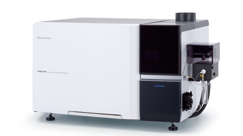
Fourier-Transformations-Infrarotspektrophotometer (FTIR)
Es identifiziert Mikroplastik, um das Ausmaß der Mikroplastikverschmutzung in Flüssen und Ozeanen zu verstehen. Außerdem ermöglicht es eine quantitative Bewertung ihrer Auswirkungen auf Ökosysteme.
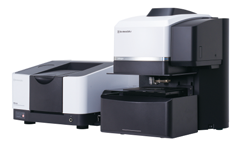
Aufgeführt in der Sammlung „Bewährte Verfahren zur Reduzierung von Mikroplastik“ des Umweltministeriums.
MAP-100: Automatisches Mikroplastik-Präparationsgerät
Das automatische Mikroplastik-Aufbereitungsgerät von Shimadzu (Produktname: MAP-100), das Mikroplastik automatisch aus Umweltwasserproben sammelt, wurde in der Publikation „Gute Praktiken zur Reduzierung von Mikroplastik“ des japanischen Umweltministeriums vorgestellt.
Diese Publikation fasst Initiativen und Technologien japanischer Unternehmen zusammen, die zur Vermeidung von Mikroplastikentstehung und -einleitung, zur Entwicklung von Alternativen, zur Wiederverwertung und zur Sensibilisierung der Öffentlichkeit beitragen. Im Geschäftsjahr 2024 wurden 19 Unternehmen in die Liste aufgenommen.
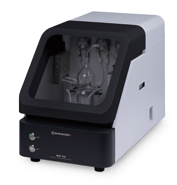
Mikroplastik-Automatik
Vorbereitungsgerät „MAP-100“
Das 2023 eingeführte MAP-100 ist das weltweit erste System zur automatisierten Extraktion und Gewinnung von Mikroplastik aus Umweltgewässern wie Ozeanen, Flüssen und Seen. Vor der Analyse mittels Instrumenten ist die Entfernung von Verunreinigungen und an der Probenoberfläche haftenden Substanzen unerlässlich. Durch die Automatisierung dieses zuvor manuellen Vorbereitungsprozesses werden Effizienz, Reproduzierbarkeit und Sicherheit verbessert, wodurch das System in Forschungseinrichtungen, die sich mit der Überwachung von Umweltgewässern befassen, weit verbreitet eingesetzt wird.
Wir werden auch weiterhin zum Wohlergehen der Erde beitragen, indem wir Technologien und Produkte bereitstellen, die die Forschung zu Mikroplastik unterstützen.
Messindex und Ziel
Shimadzu ermittelt quantitativ die Schadstoffkonzentration im Abwasser, die verbrauchte Wassermenge, die Menge der eingeleiteten gefährlichen und ungefährlichen Abfallstoffe, die Recyclingquoten sowie weitere Kennzahlen. Insbesondere wird das Abwasser kontinuierlich überwacht, um bei Überschreitung freiwilliger, strengerer Kontrollstandards als gesetzlich vorgeschrieben, schnell Korrekturmaßnahmen einleiten zu können.
Shimadzu ist daher bestrebt, jegliche Auswirkungen der Wasserverschmutzung präzise zu ermitteln und zu minimieren.
Weitere Einzelheiten zu unseren Umweltwirkungsdaten entnehmen Sie bitte den folgenden Informationen.
https://www.shimadzu.com/sustainability/environmental/data.html
Darüber hinaus ist unser mittelfristiges Ziel, den Wasserverbrauch pro Einheit des konsolidierten Nettoumsatzes bis zum Geschäftsjahr 2030 um 5 % gegenüber dem Geschäftsjahr 2020 zu senken. Im Geschäftsjahr 2024 konnten wir eine Verbesserung von 0,8 % erzielen. Mit dem Ziel einer nachhaltigen Ressourcennutzung haben wir uns zum Ziel gesetzt, an unseren inländischen Produktions- und Entwicklungsstandorten eine Recyclingquote von mindestens 99,6 % zu erreichen. Im Geschäftsjahr 2024 haben wir eine Recyclingquote von 99,62 % erreicht und damit unser Ziel erfüllt. Weiterhin streben wir an, bis zum Geschäftsjahr 2025 in insgesamt mehr als zehn Produktanwendungen nachhaltige Materialien einzusetzen. Im Geschäftsjahr 2024 haben wir drei neue Anwendungen eingeführt, sodass sich die Gesamtzahl auf sechs erhöht. Auch zukünftig werden wir auf Basis der Empfehlungen der TNFD weiterhin Ziele entwickeln und die Umsetzung überwachen.